
AFMC to launch global-scale transformation strategy to tackle poverty and extremism
Issa Kigongo
The African Forum for Muslim Councils (AFMC) is set to unveil a comprehensive five-year strategic plan (2025–2030) aimed at repositioning the body as a more proactive and influential continental institution.
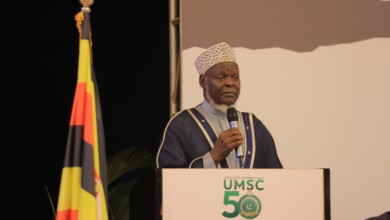
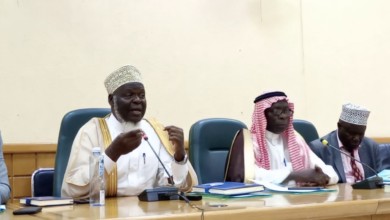
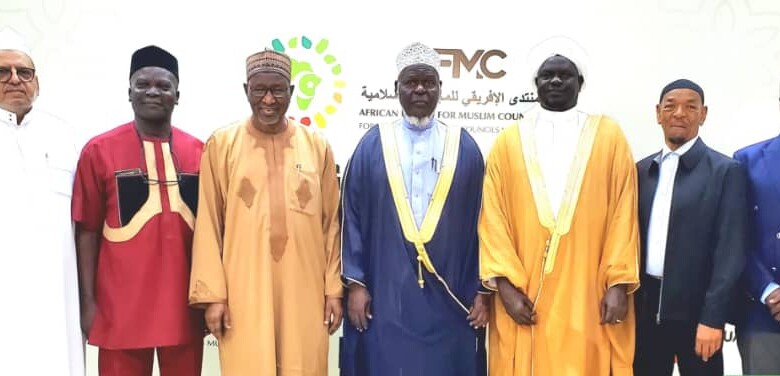
The announcement was made by Sheikh Ssali during a preparatory meeting for the AFMC Annual General Meeting held at the Uganda Muslim Supreme Council (UMSC) headquarters in Old Kampala from January 23 to 25, 2026.
The strategic plan will be formally launched during an upcoming Extraordinary General Assembly scheduled to take place at the National Mosque in Abuja, Nigeria. The assembly is expected to mark a major turning point for the organization, which serves as an umbrella body coordinating Muslim councils and institutions across Africa. The AFMC is jointly hosted by UMSC and the Nigerian Supreme Council for Muslim Affairs.
According to AFMC leadership, the new strategy responds to the growing need for stronger institutional capacity to address pressing continental challenges, including violent extremism, interfaith tensions, humanitarian crises, poverty, youth unemployment, and the impacts of climate change.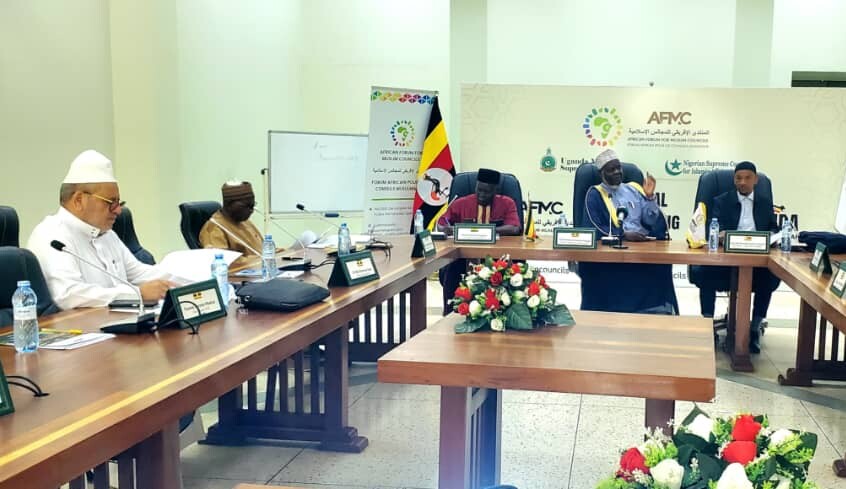
“The Extraordinary General Assembly will be a moment of institutional renewal,” Sheikh Ssali said, noting that delegates will review the forum’s governance and legal frameworks while laying the foundation for sustainable resource mobilization.
Key expected outcomes of the strategic rollout include the revision and strengthening of the AFMC constitution, increased visibility and engagement with continental and global bodies such as the African Union (AU) and the United Nations (UN), and the launch of a dedicated Continental Capacity-Building Program.
The Abuja assembly is expected to attract a wide range of stakeholders, including senior religious leaders, Islamic scholars, representatives from the AU, development partners, and donor agencies. International partners such as the International Islamic Fiqh Academy (IIFA) and Religions for Peace (RfP) are anticipated to support alignment between the AFMC’s mission and broader global peace and development agendas.
By consolidating the voices of Muslim councils from across Africa, the AFMC aims to strengthen its role as a key religious actor contributing to sustainable development, social cohesion, and spiritual well-being across the continent.