

Ramadhan at home: Beyond hunger, towards higher living
Janat Yahaya Naggolola – Parenting Coach
Assalam alaykum warahmatullahi wabarakatuh
“Ramadhan is not a month to empty the stomach alone, but to elevate the soul.”
The reality many parents are facing:
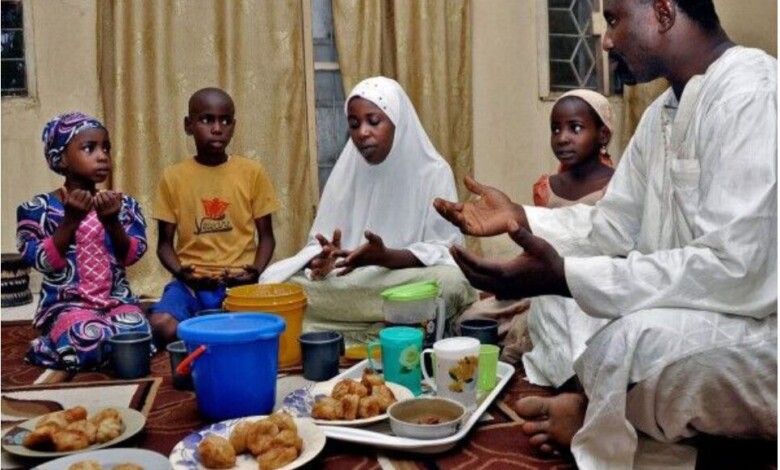
As Ramadhan progresses, many households are experiencing a familiar pattern. The month begins with renewed enthusiasm; structured meal plans, organized tarawih attendance and clearly defined Qur’an goals.
However, by the second week, the focus in many homes gradually shifts. Children begin counting hours to iftar. Parents balance workplace demands with domestic responsibilities. Conversations increasingly revolve around food preparation and suhoor logistics rather than spiritual reflection.
Across communities, a key concern is emerging: How can families ensure that Ramadhan is understood as more than physical hunger?
Parenting experts emphasize that the solution lies in reframing the month as a comprehensive period of character development — not merely abstinence from food, but cultivation of discipline, emotional control and God-conscious living.
INSIGHTS FOR PARENTS THIS RAMADHAN
Shift the narrative from hunger to purpose
Specialists advise parents to intentionally redefine fasting for their children. Rather than presenting it as deprivation, it should be framed as training in self-mastery.
Hunger becomes a tool. Discipline becomes the outcome.
When children understand that fasting strengthens patience, focus and restraint, they begin to internalize its broader purpose.
Teach emotional intelligence through fasting
Experts note that Ramadhan naturally exposes emotional vulnerabilities. Fatigue and hunger can increase irritability.
Instead of overlooking these reactions, parents are encouraged to use them as teaching moments. Discussions around anger management, delayed responses and composure under discomfort turn everyday challenges into leadership training opportunities.
Expand the meaning of abstinence
Scholars consistently highlight that fasting extends beyond food and drink. It includes restraint from negative speech, harmful habits and unproductive behaviour.
Families are encouraged to introduce complementary “character goals” during the month, such as reducing complaints, limiting excessive screen time and improving sibling relationships.
This broader understanding transforms fasting into holistic development.
Model depth over display
Observers emphasize that children adopt what they see. If Ramadhan is centered solely on festive meals and Eid preparations, its deeper objectives may be diluted.
Parents who demonstrate reflection, composed speech, gratitude and consistent prayer reinforce that Ramadhan refines identity, not appetite.
Anchor the Concept in Spiritual Evidence and Consciousness
The Qur’an clearly states:
“O you who believe, fasting has been prescribed for you as it was prescribed for those before you, that you may attain taqwa.” Surah Al-Baqarah 2:183
The intended outcome is taqwa, sustained awareness of Allah.
The Prophet further emphasized:
“Whoever does not give up false speech and acting upon it, Allah has no need of him leaving his food and drink.” (Sahih al-Bukhari)
This evidence reinforces that hunger without character refinement does not fulfill the objective of the fast.
As families reflect on the remaining days of Ramadhan, a central question remains: Will children remember this month as a period of endurance, or as a season of elevation?
Ramadhan, experts conclude, is not simply a test of physical restraint. It is a structured opportunity to build resilient, disciplined and spiritually aware individuals within the home.
—
PS: At MYNDPATH CONSULTANCY, we support families in developing structured, value-based systems that strengthen parenting outcomes. Through strategic guidance and leadership-centered programs, we help households translate spiritual intention into sustainable family practice — during Ramadhan and throughout the year.
+256772858289
+256704796915