
A call to be bridges: Holding on to Ramadhan as the month draws to a close
By Issa Kigongo
As the final days of Ramadhan slip away, there’s a quiet shift in the air. The long nights of prayer, the discipline of fasting, the shared meals at sunset—they begin to recede. But what remains is something deeper: a question of what we carry forward.
In Mbarara and across western Uganda, that question is being taken seriously. The Runyakitara Islamic Dawa Community has been encouraging Muslims to see Ramadhan not as an end in itself, but as a starting point.
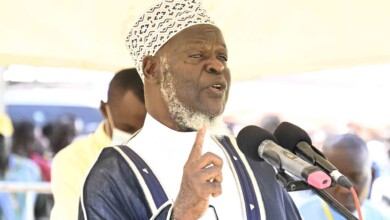
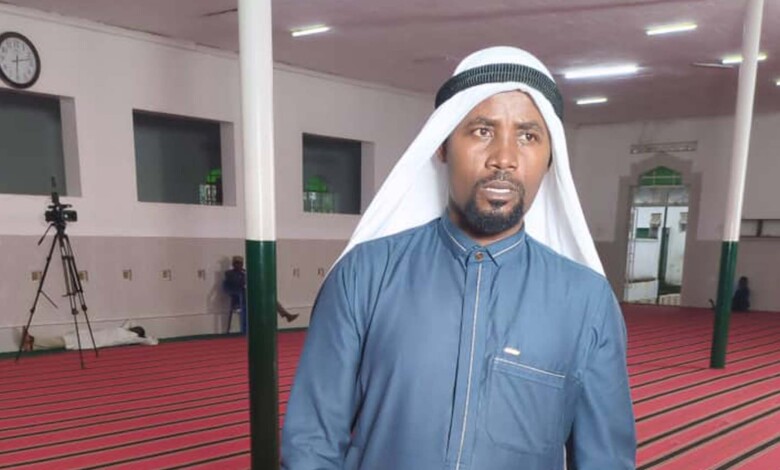
At the centre of this message is Imam Matsiko Yahya Mwinekaruuza, whose reflections have been quietly resonating within the community. Trained as a pharmaceutical scientist and now pursuing Islamic studies, he speaks in a way that feels less like a sermon and more like a conversation.
“At its core, our faith is about mercy,” he said. “And that mercy is not for a select group—it’s for everyone.”
It’s a simple reminder, but one that lands differently in a time when communities often feel divided. For the Imam, Ramadhan is meant to pull people back to those basics: how we treat others, how we respond to injustice, and whether our faith shows up in everyday life.
He points to the example of the Prophet Muhammad, whose message, he says, was always rooted in compassion and fairness.
“Faith is not just what we do in the mosque,” he added. “It’s how we deal with the person next door, the stranger, even the one we disagree with.”
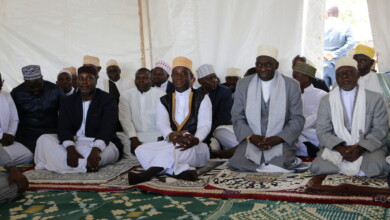
Throughout the month, that spirit is visible. In the stillness of Taraweeh prayers, in the patience of fasting, and in the quiet anticipation of Laylatul Qadr. And perhaps most clearly, in the simple act of sharing food at iftar.
But the real test, he says, comes after.
“There are many people who only know Islam from a distance,” he noted. “Sometimes from headlines, sometimes from assumptions. We may not change that with words alone—but we can change it through how we live.”
For him, the answer is disarmingly simple: open doors, not just hearts. Share a meal. Invite a neighbour. Have a conversation without an agenda.
“Let people see Islam through us,” he said. “Through patience, respect, and small acts of kindness.”
That message echoes a broader tradition of Islamic thought. Scholars like Fethullah Gülen and Said Nursi often described Ramadan as a kind of training—a time to soften the heart and reconnect with purpose. But training only matters if something changes afterwards.
As the month closes, that’s the challenge being put to the community: not to let the habits of Ramadhan fade with the calendar.
For Imam Matsiko, it comes down to how we see one another.
“Our differences shouldn’t push us apart,” he reflected. “They’re part of what makes us human. Instead of building walls, we should be building bridges.”
It’s not a grand slogan. Just a way of living—one that asks for consistency more than perfection.
As people return to their routines, the hope is that something of Ramadan remains: a little more patience, a little more generosity, a little more awareness of others.
The month may be ending, but its meaning doesn’t have to. And perhaps that is the real measure of it.