
A quiet crisis: Hearing loss in children
By Shahista Namale
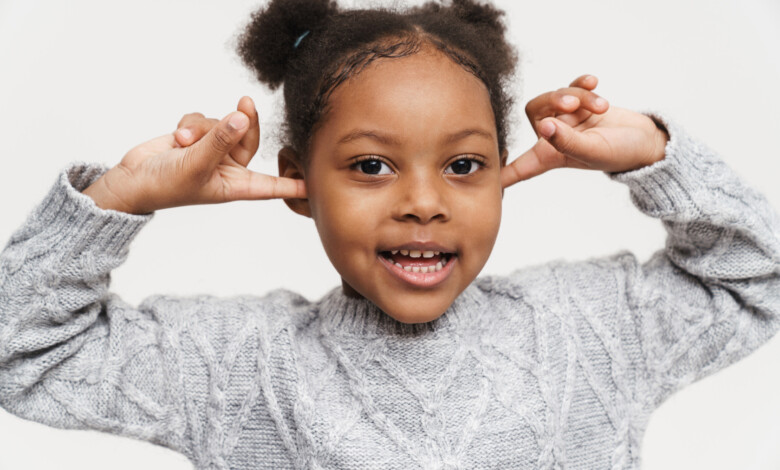
Across the world, millions of children are growing up with hearing loss that goes unnoticed and untreated. For many of them, the problem is not that solutions do not exist, but that the condition is detected too late.
Estimates from the Global Burden of Disease Study (2021) show that roughly 90 million children and adolescents aged between five and nineteen live with hearing loss globally. The condition affects children in every region, yet it is most likely to go undetected in low-resource settings where screening and specialist services are limited.
Many of the causes of hearing loss in children are both preventable and treatable. Health specialists say the consequences extend far beyond the ability to hear.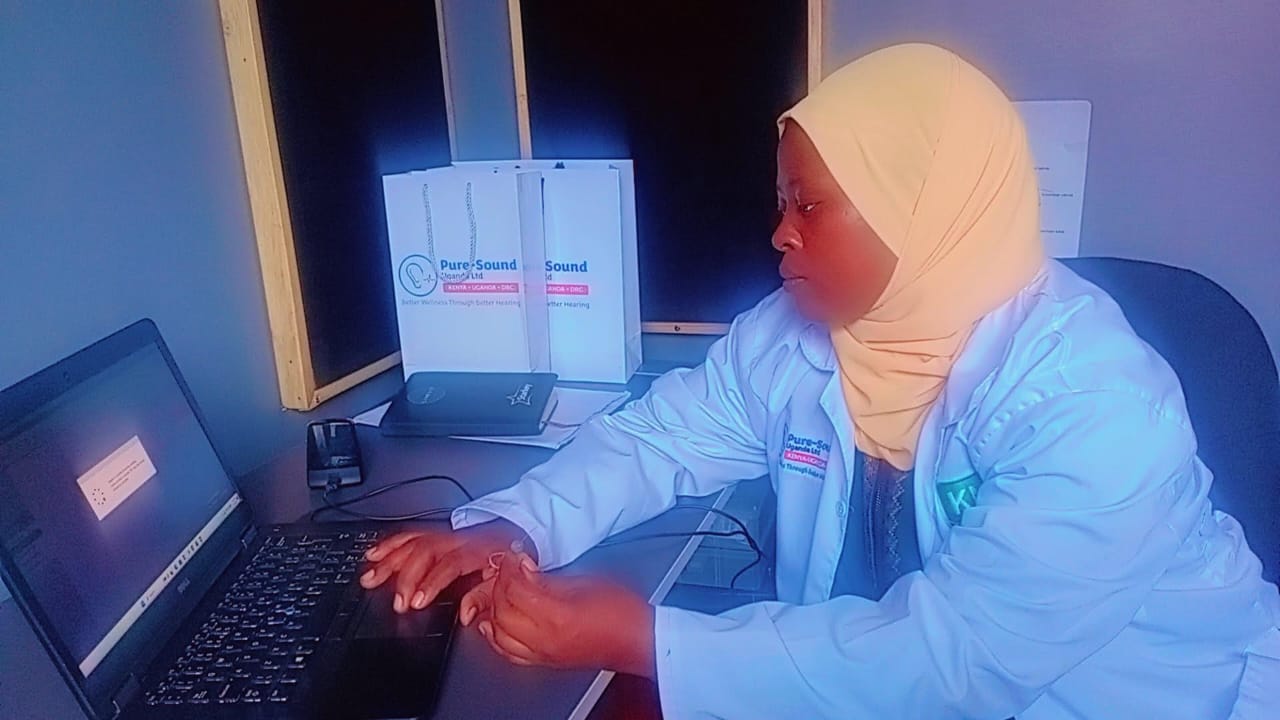
Dr. Noor Lwembawo, an audiologist at Pure Sound Uganda Hearing and Speech Center in Kampala, explains that untreated hearing loss can affect almost every aspect of a child’s development.
“When hearing loss is not addressed early, it interferes with speech and language development,” she says.
“Children may struggle to communicate, to follow instructions in class, and to interact confidently with others. Over time this can affect their academic progress and even their future opportunities,” she adds.
Researchers have long linked childhood hearing loss with poorer educational outcomes, reduced employment prospects, and long-term economic disadvantage. These effects are particularly pronounced in communities where access to hearing care is already limited.
Every year on March 3, the world marks World Hearing Day, an initiative led by the World Health Organization to raise awareness about hearing loss and promote ear and hearing care.
The theme for World Hearing Day 2026, “From Communities to the Classroom: Hearing Care for All Children,” focused attention on the role families, teachers, communities and governments can play in protecting children’s hearing.
According to Dr. Lwembawo, the first signs of hearing loss are sometimes subtle and easily overlooked.
“For many families, the problem only becomes obvious when a teacher raises concern,” she says.
“By that stage the child may already be struggling academically, and valuable time for early intervention has been lost,” she adds.
One of the leading causes of hearing problems among children in Uganda is otitis media, an infection of the middle ear. The middle ear is a small air-filled space located behind the eardrum that plays a crucial role in transmitting sound.
Young children are particularly vulnerable to these infections. Their immune systems are still developing, and they frequently suffer from respiratory illnesses such as colds, coughs and flu. These infections can interfere with the normal function of the Eustachian tube, the narrow passage that connects the ear to the nose and throat and helps regulate air pressure.
“When the Eustachian tube becomes blocked during illness, fluid begins to collect in the middle ear,” Dr. Lwembawo explains.
“If infections occur repeatedly, the fluid can become infected and turn into pus. Pressure builds inside the ear, and in severe cases the eardrum can rupture.”
Repeated infections may leave permanent damage, gradually reducing a child’s ability to hear clearly. Yet in many cases, early treatment with simple medical care could prevent the condition from progressing.
Early detection has been shown to dramatically improve outcomes. Children who receive intervention within the first six months of life are more likely to develop normal speech and language skills and integrate successfully into school and social life.
In Uganda, however, such screening remains limited. Newborn hearing tests are not yet standard practice in most public health facilities, and only a small number of private hospitals currently offer them. As a result, congenital hearing loss often goes undiagnosed until much later in childhood.
Dr. Lwembawo believes this gap in early detection needs urgent attention.
“Screening every baby at birth would allow us to identify hearing problems immediately and begin intervention before the child’s development is affected,” she says.
“It is one of the most effective steps we can take to reduce hearing impairment among learners.”
There are signs that policy makers are beginning to respond to the issue.
Moses Muwanga, Assistant Commissioner for Disability and Rehabilitation at the Ministry of Health, says the government is in advanced stages of introducing a nationwide hearing screening programme for newborns.
The initiative forms part of a broader strategy aimed at reducing the growing burden of hearing impairment in the country.
“We recognise that early detection is critical,” Muwanga explains.
“By screening newborns, we can identify children who need support as early as possible and ensure they receive appropriate care.”
Government is also considering measures to improve access to treatment and assistive technologies.
Plans are underway to include hearing implants and other assistive hearing devices on the Essential Medicines and Health Supplies List of Uganda (EMHSLU). If approved, the move would help make these devices more affordable and accessible for families who need them.