
Beyond Silence: A Call for Men’s Health, Wellness, and Accountability
LIFESYTLE with Ismail Asiimwe
Assalam alaykum warahmatullahi wabarakatuh
November 19th came and went almost without notice. I only realized it was International Men’s Day when I came across a friend’s WhatsApp status. I’m sure many others were equally oblivious. The lack of conversation surrounding this day highlights how men’s issues often fall under the radar in public discussions. While we rally for various causes on other noteworthy days, the health and well-being of men rarely make the cut in mainstream discourse.
On a day dedicated to shedding light on the challenges faced by men and boys, there were no check-ins, no public reflections, and no moments of contemplation. Life went on as it normally does, allowing International Men’s Day to fade quietly into the background.
Uganda’s unsung workers
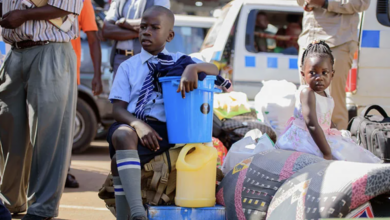
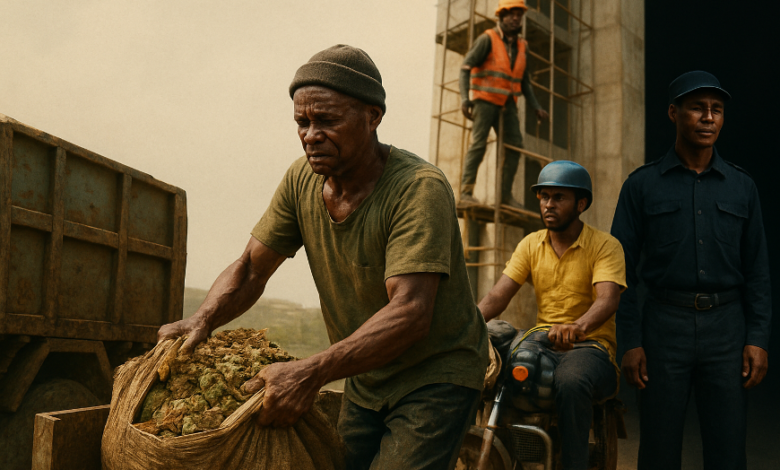
Next time you travel through Kampala or any Ugandan town, take a moment to notice the workers around you. Garbage collectors load rotting waste onto open trucks, inhaling toxic fumes without protection. Construction workers balance on unstable scaffolding, often unprotected, while boda-boda riders navigate busy streets for twelve-hour shifts, enduring every pothole. In rural quarries, men break rocks under the scorching sun, and security guards stand vigil at night, battling fatigue and harsh weather.
This dangerous work is essential for keeping Uganda running. Without these workers, streets would be choked with waste, construction would halt, and shops would remain unguarded. The toll on their bodies is severe—chronic pain and, in some cases, permanent injuries and even death. Most don’t choose this labor willingly; they are driven by the need to pay for school fees and support their families.
These workers rise before dawn and push through exhaustion, often skipping medical treatment when injured because time off means no pay and the risk of hunger. As we pass them each day, we rarely consider the sacrifices these invisible men make to keep Uganda moving.
The making of men
Among the Bakiga, there is a saying—shared in spirit by many other cultures—that “soft hands do not raise boys into men,” meaning a boy must be raised with toughness, duty, and purpose or risk becoming lost. But beneath this ideal lies a dangerous lesson that men do not show vulnerability. From childhood, boys are taught to absorb pain without complaint and to treat struggle as necessary proof of manhood. The message is clear—your feelings are less important than what you do. Over time, this conditioning trains men to silence their needs, see seeking help as weakness, and view caring for their own health as selfish. The result is generations of men who have learned to ignore their own suffering.
The statistics that demand our attention
These cultural expectations are not simply speculative ideas; they are painfully evident in numbers. According to the International Men’s Day website, research shows that men are the largest group of suicide victims globally, and while many also experience domestic violence, their suffering often goes unreported because of stigma and shame.
Men, on average, die four to five years earlier than women and are more likely to develop lung cancer and heart disease—conditions closely linked to stress, lifestyle, and delayed medical care. Taken together, these statistics do not confirm a story of male strength and resilience, but rather one of men absorbing quiet, preventable harm while feeling unable—or unwelcome—to ask for help.
A Call for Wellness and Accountability
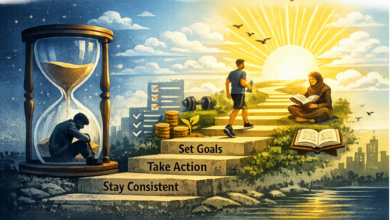
Men’s health shapes families and communities, and caring for it starts with clear, practical habits. Health experts urge men to get regular check-ups—yearly after 40—for blood pressure, blood sugar, and other key screenings. Eat a balanced diet rich in vegetables, lean proteins, and whole grains, and keep processed foods and alcohol in check.
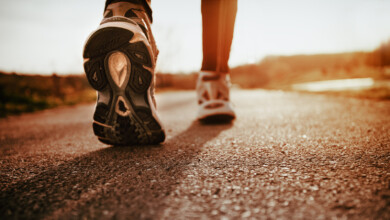
Move your body for at least 150 minutes of moderate activity each week, sleep 7–9 hours a night, and avoid smoking and other harmful habits. Build a circle of support where you can speak honestly about stress and struggle; for many Muslim men, the mosque often doubles as a place of worship and a safe, healing space to share burdens and strengthen spiritual and emotional well-being.
—
The writer is a Doctoral Candidate in Kinesiology at the University of Georgia, Athens, and a lecturer of Sports and Exercise Science at Gulu University. Readers can share feedback via asiimweismail@gmail.com