

How fake drugs and wrong prescriptions are silencing cures in Uganda
By Namale Shahista
When a child’s fever doesn’t break or a wound refuses to heal, a quiet and growing crisis is often to blame. Across Uganda, common infections are becoming stealthier, deadlier, and far more expensive to treat because the medicines designed to cure them are silently losing their power.
This phenomenon, known as antimicrobial resistance (AMR), is no longer a distant threat but a daily reality.
New research now reveals the intricate web of causes at the heart of this emergency, painting a picture of a health system under severe strain and communities caught in a cycle of ineffective treatment.
The human cost is staggering.
According to the Ministry of Health, by March 2025, resistant infections were estimated to kill 37,800 people in Uganda annually. Of these, over 7,000 deaths are directly caused by AMR, while more than 30,000 are linked to infections that no longer respond to any available treatment.
Behind these numbers are families facing prolonged illness, crushing medical bills, and unimaginable loss.
Bacteria that once yielded to routine antibiotics now defy them up to 80 per cent of the time in some cases, undermining not just health, but also food safety and household incomes.
This surge is driven by several factors including;
Unrestricted access to antibiotics,
Weak enforcement of drug regulations, and
The widespread misuse of antimicrobials in both humans and animals.
The Ministry acknowledges that many patients are still treated without the crucial step of diagnostic testing, while low public awareness and weak oversight across human and veterinary services continue to pour fuel on the fire.
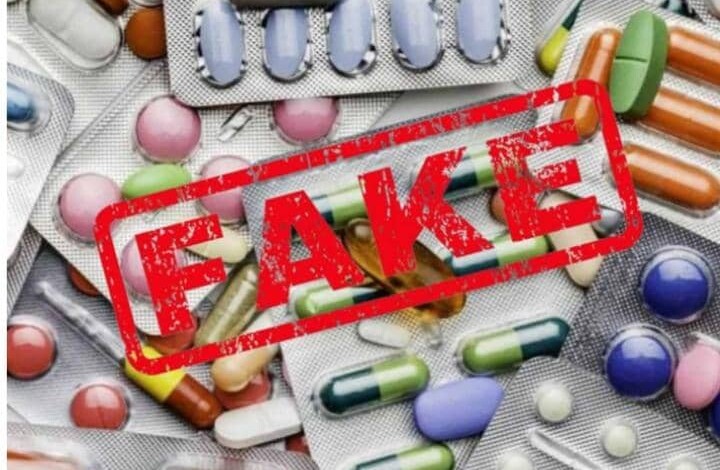
It is this profound challenge that informed two new studies by researchers at Makerere University School of Public Health (MakSPH). Together, they expose a troubling pattern and the reinforcing cycles that accelerate drug resistance—shaped by poor-quality medicines circulating in communities, high and often inappropriate antibiotic use in healthcare facilities, and limited public awareness of safe medicine use.
The first paper, published on October 6, 2025, in the Journal of Pharmaceutical Policy and Practice, delves into the community experience with medicines.
Researchers led by Associate Professor David Musoke examined how consumers encounter and respond to substandard and falsified medicines for both human and animal use. Conducted in 2024, the study surveyed 432 community members in Wakiso District, an area where the Nottingham Trent University – Makerere University (NTU–Mak) Partnership has implemented community-based health systems programmes for 15 years now.
The study team calls for a nationwide effort to improve public literacy on how to recognise, verify, and report suspicious medical products. The authors argue that current reporting pathways are largely invisible, leaving most community members unsure of how or where to lodge complaints. They also highlight the need to engage trusted frontline actors—Village Health Teams, Community Health Extension Workers, veterinary officers, and local leaders—as primary change agents.
Meanwhile, the second study, published on November 21 in the Dovepress Journal of Infection and Drug Resistance, shifts focus to the clinical front lines. Led by Dr. Bush Herbert Aguma, a pharmacist and health-systems researcher, the team examined antibiotic prescribing practices across three hospitals and five lower-level health centres in Wakiso, Nakaseke, and Butambala. The survey assessed patient demographics, antimicrobial therapy details, and adherence to treatment guidelines to identify gaps requiring improvement.
Dr. Aguma explained the intention behind the studies: “The work was to empower the facility through its Medicines and Therapeutics Committee, which has a sub-committee on antimicrobial stewardship. That committee oversees the process, ensures future surveys are conducted, and can initiate targeted assessments when problems with specific prescriptions arise.”
He added that the programme’s ambition extended far beyond measurement.
“The programme in the selected facilities for the study went beyond just measuring antimicrobial use, to supporting the facilities develop stewardship plans, strengthening laboratory capacity, and training health workers across human, animal and environmental sectors under a One Health approach.”