
Inside the collapse of UMSC’s Hajj bid
By Jafar Mugera
Hundreds of Ugandans who paid millions of shillings to fulfil this year’s sacred Hajj are now at risk of missing the pilgrimage, after the Uganda Muslim Supreme Council (UMSC)’s bid to take over the control of Uganda’s Hajj operations backfired.
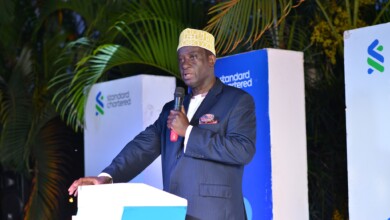
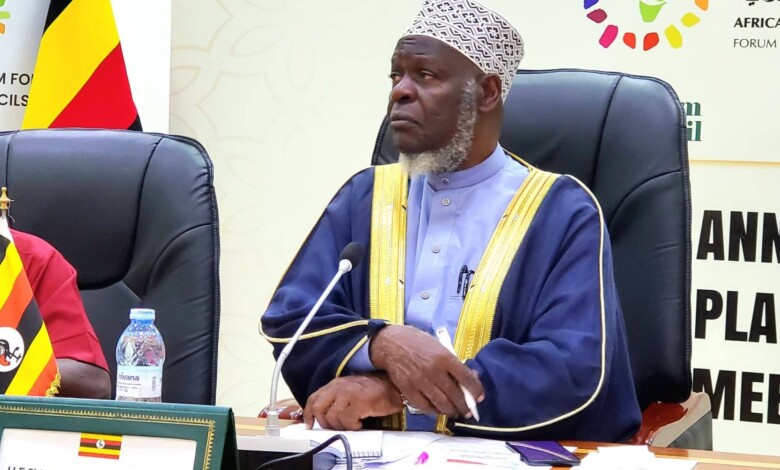
In January, the Mufti, Sheikh Shaban Ramathan Mubaje, announced that the UMSC had “officially repossessed and reclaimed full control of Hajj affairs in Uganda,” effectively suspending the operations of the Uganda Bureau of Hajj Affairs (UBHA), which has managed the country’s Hajj arrangements for more than two decades.
However, the latest developments suggest that Mubaje’s claim — that UMSC had secured recognition from Saudi Arabia and would henceforth oversee the organisation and supervision of Ugandan pilgrims — may have been premature. The announcement has since triggered uncertainty and exposed what insiders describe as serious internal miscalculations at Old Kampala.
Emerging details indicate that the Mufti made the declaration before completing the necessary diplomatic and administrative groundwork required to assume full control of Uganda’s Hajj affairs, leaving intending pilgrims caught in the fallout of a leadership gamble that has yet to pay off.
DIPLOMATIC BREACH
On January 23, Mubaje called Hajj and Umrah services firms to a meeting at the UMSC headquarters in Old Kampala to brief them on the proposed takeover. Only 11 of the 84 firms registered under UBHA were represented at the meeting.
The meeting followed a letter authored by the Minister of State for Foreign Affairs (International Affairs), Henry Okello Oryem, ostensibly addressed to his Saudi Arabian counterpart, designating UMSC as “the sole competent authority to liaise with the Saudi Ministry of Hajj and Umrah.”
In a departure from established diplomatic protocol, Oryem reportedly handed the letter to Mubaje’s team for hand delivery to Riyadh. According to insider sources, when the UMSC delegation led by Sheikh Ziyad Lubanga, the director of Shariah at UMSC, presented the letter in Saudi Arabia, they were informed that it could not be considered because it had not been transmitted through formal government-to-government channels.
Back in Kampala, meanwhile, groups opposed to Mubaje’s control of the Hajj engaged government officials at various levels, a process that eventually resulted in Oryem recalling his endorsement letter to UMSC.
ACCUSATIONS
The UMSC delegation dispatched to Saudi Arabia spent days at the Ministry of Hajj and Umrah in Makkah, pressing officials to recognise the council’s claim to oversee Uganda’s Hajj operations.
According to members of the delegation who spoke to The Friday Call on condition of anonymity, the team sought to build a case against UBHA, accusing it of turning the pilgrimage into what they described as a profit-driven enterprise that had eroded its religious sanctity and benefited a small circle of individuals
They further claimed that a review of the Nusuk Hajj platform revealed discrepancies in the fees charged to Ugandan pilgrims.
“In the system, Saudi Arabia charges $1,490 (about Shs 5.3 million) per pilgrim, but our colleagues at UBHA ask for $1,820 (about Shs 6.5 million). You wonder what causes this discrepancy,” one source said.
They further alleged that UBHA overcharges pilgrims for the mandatory sacrificial slaughter in Mina and inflates costs tied to transport, meals and accommodation.
“We suspect they work with some individuals within the Ministry of Hajj and Umrah to cut costs on services that pilgrims have already paid for,” the source claimed.
“In a bus meant to carry 40 pilgrims, they squeeze in about 70. They limit the number of meals a person is supposed to have in a day, and the bed space is reduced to nearly half the standard size,” the source added.
Sources within the Hajj and Umrah services sector, however, said some of the accusations levelled against UBHA may be misdirected. They argued that several of the cited irregularities stem not from the Bureau itself, but from individual tour operators.
“Some of these flaws cannot be blamed on the Bureau but on individual leaders of the different firms that take pilgrims for Hajj. Because many Ugandans are unable to make a lump-sum payment at once, there is a temptation for some operators to divert the funds along the way. By the time Hajj season arrives, there is little left to generate profit,” said one source.
According to the source, some operators then seek to recover margins through additional charges — particularly on the sacrificial slaughter in Mina.
“They may collect the slaughter fees at inflated rates, or worse still, pocket the money without purchasing a single goat or sheep. This practice is not unique to Ugandan operators,” the source added.
ALL HOPE LOST?
Data uploads and updates on the official Nusuk Hajj platform closed on Saturday, February 8, without the details of hundreds of intending pilgrims — particularly those registered with firms backing the UMSC takeover — being entered into the system.
Members of the UMSC delegation in Makkah had earlier assured colleagues in Kampala that they would secure an extension of the registration deadline before returning home on Sunday, February 9. That assurance did not materialise. By Sunday, the Nusuk portal displayed a blunt notification: “The allowed period for registering pilgrim data has ended.”
The only reprieve granted by Saudi authorities was an extension until February 17 for biometric verification — a mandatory requirement for obtaining a Hajj visa. Officials warned that any pilgrim who fails to complete biometric enrolment within the stipulated period would not be issued a visa.
An official from one of the firms aligned with the UMSC takeover struck a defiant tone, insisting that their clients would still travel.
“Our pilgrims will go for the Hajj regardless of whether they register with UBHA or not,” the official said.