

Islamic insurance launches in Uganda
By Shahista Namale
Tamini General Insurance Ltd has become the first insurance company licensed under the Takaful insurance scheme in Uganda, marking a historic step in the country’s financial landscape and introducing a long-awaited, ethically structured alternative to conventional insurance.
The groundbreaking license, formally granted by the Insurance Regulatory Authority of Uganda, enables Tamini to offer what is commonly referred to as Islamic insurance—a model built on principles of mutual cooperation, shared risk, and strict adherence to Sharia-compliant finance.
For many Ugandans, particularly Muslims whose faith or personal ethics have kept them from engaging with traditional insurance, the arrival of Takaful signifies inclusion, choice, and a financial system aligned with deeply held values.
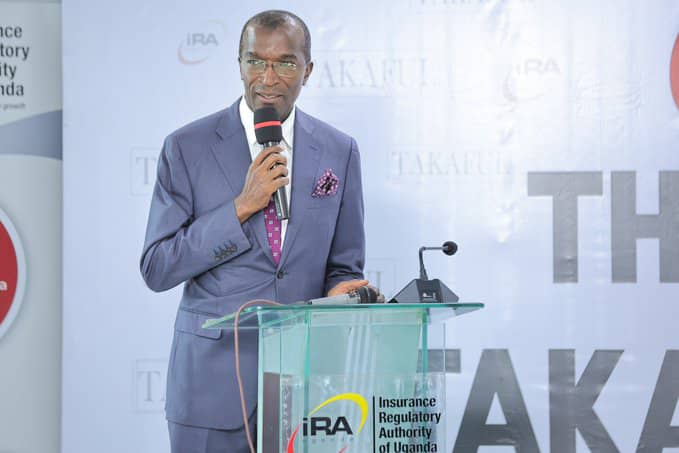
Kaddunabbi Ibrahim Lubega, Chief Executive Officer of the Insurance Regulatory Authority, underscored the significance of this milestone.
“This is not just about licensing another company,” Lubega explained. “It’s about responding to a real and growing demand for financial services that respect ethical boundaries. We have moved deliberately since introducing Islamic banking in 2018, and today we are fulfilling a promise to broaden Uganda’s financial ecosystem in a meaningful, responsible way.”
Takaful distinguishes itself from conventional insurance in both philosophy and function.
Rather than transferring risk from policyholder to insurer, it operates as a collective guarantee system. Participants—or policyholders—contribute to a common pool, or Takaful fund, which is used to support any member who suffers a covered loss.
Investments made with the fund’s surplus are strictly limited to ethical, Sharia-compliant ventures, avoiding sectors such as alcohol, gambling, or interest-based finance.
Perhaps most notably, any profits generated are shared between the participants and the operator, fostering a sense of shared ownership and mutual benefit rarely found in traditional insurance models.
Dr. Abdulhafiz Walusimbi, a Sharia scholar and Head of the Department of Sharia at the Islamic University in Uganda, stressed that Takaful is built on pillars of transparency, fairness, and social solidarity.
“At its heart, Takaful is about people coming together to protect one another—not as customers, but as participants in a communal trust,” Dr. Walusimbi noted.
“It rejects elements like riba (interest) and gharar (excessive uncertainty), which are prohibited in Islam, and instead promotes ethical stewardship and genuine risk-sharing.”
The introduction of Takaful follows years of regulatory preparation, beginning with the Financial Institutions (Amendment) Act of 2016 and the subsequent Islamic Banking Regulations of 2018.
Kaddunabbi noted Uganda benchmarked on Kenya, Nigeria, Senegal, and other African nations to develop a framework suited to the country’s market. The resulting structure allows for two types of licenses: one for a fully dedicated Takaful operator like Tamini, and another for a “Takaful window” within an existing conventional insurer—a flexible approach designed to encourage participation without compromising Sharia compliance.
Notably, both regulators and scholars emphasize that Takaful is intended for all Ugandans, regardless of religious background.
Francesca Nakaggwa Kakooza, Head of Legal at the Insurance Regulatory Authority, remarked, “This is a product for anyone who values transparency, fairness, and ethical investment. It is about offering a real alternative in a growing market.”
For the average Ugandan, Takaful could reshape how insurance is perceived—from a transactional necessity to a participatory, community-oriented safeguard. Whether insuring a home, vehicle, business, or health, policyholders enter into a pact of mutual support, with the added possibility of benefiting from the fund’s ethical investments.