Rethinking human worth: Beyond hierarchy and comparison
By Ali Yusufu Bulafu
Human society is woven together by a persistent thread: the compulsion to compare, rank, and determine who or what is “better.” This inclination permeates our understanding of race, gender, social status, and various other aspects of human existence. To grasp the roots of this comparative nature, we must delve into our evolutionary past, psychological makeup, and cultural constructs.
Early human groups developed social hierarchies for organization and survival. These hierarchies served practical purposes, such as determining leadership and allocating resources. As societies grew more complex, so did these systems of ranking and comparison.
The agricultural revolution marked a significant shift, introducing new forms of wealth and power. This period saw the emergence of rigid social classes, from ruling elites to peasants and slaves. The concept of “better” or “superior” became tied to one’s position within these societal structures.
Throughout history, various civilizations have grappled with and reinforced these hierarchical notions. From the caste system in ancient India to the feudal structures of medieval Europe, the idea that some individuals or groups were inherently superior to others became deeply embedded in many cultures.
In 7th century Arabia, where the Islamic message was first revealed, tribal affiliations and lineage were the primary bases for claiming superiority. Islam’s rejection of these criteria and its emphasis on individual piety regardless of social background was revolutionary.
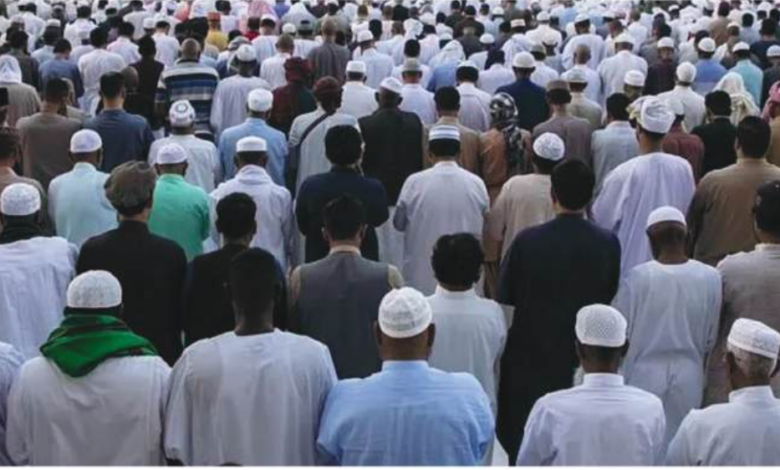
The early Muslim community demonstrated this principle in practice. Bilal, an Abyssinian former slave, became one of the most honored companions of the Prophet. Salman, a Persian, was described by the Prophet as “a member of my household.” These examples illustrate how Islam elevated individuals based on their faith and character, transcending the racial and social barriers of the time.

Challenging the Hierarchy
Throughout history, various philosophical and religious traditions have challenged the notion of inherent human hierarchies. Egalitarian philosophies, from the ancient Stoics to modern human rights advocates, have argued for the fundamental equality and dignity of all human beings.
Many religious traditions also emphasize human equality in the eyes of the divine. Christianity teaches that all are equal in Christ, while Buddhism emphasizes the potential for all beings to achieve enlightenment. These perspectives offer a counterpoint to hierarchical thinking, suggesting that true worth lies beyond superficial comparisons.
Islam’s Stance on Superiority: Piety as the Measure
The Quranic worldview begins with the assertion that all human beings are created equal. This is established in several verses, most notably:
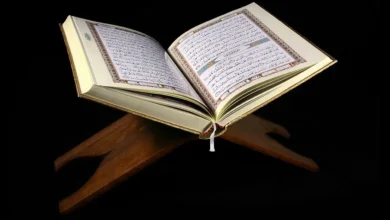
“O mankind, indeed We have created you from male and female and made you peoples and tribes that you may know one another. Indeed, the most noble of you in the sight of Allah is the most righteous of you. Indeed, Allah is Knowing and Acquainted.” (Quran 49:13)
This verse emphasizes two crucial points, the diversity of humanity is by divine design, intended for mutual recognition and cooperation, not for ranking or discrimination and that the only valid measure of nobility or superiority in God’s sight is righteousness (Taqwa).
Islam explicitly rejects common societal bases for claiming superiority:
1. Race and Ethnicity: The Prophet Muhammad (peace be upon him) stated in his farewell sermon: “An Arab has no superiority over a non-Arab, nor does a non-Arab have any superiority over an Arab; a white has no superiority over a black, nor does a black have any superiority over a white.”
2. Wealth and Social Status: The Quran repeatedly warns against considering wealth as a mark of superiority. “And do not extend your eyes toward that by which We have given enjoyment to [some] categories of them, [its being but] the splendor of worldly life by which We test them. And the provision of your Lord is better and more enduring.” (Quran 20:131)
3. Lineage: While respecting family ties, Islam does not consider noble lineage as a mark of superiority. The Prophet said, “Whoever is slowed down by his deeds will not be hastened forward by his lineage.” (Sahih Muslim)

4. Gender: Islam affirms the equal human dignity of men and women. “Whoever does righteousness, whether male or female, while he is a believer – We will surely cause him to live a good life, and We will surely give them their reward [in the Hereafter] according to the best of what they used to do.” (Quran 16:97)
In Islam, the only valid basis for superiority is taqwa, often translated as God-consciousness, righteousness, or piety.
Taqwa encompasses: Faith in God (A deep, sincere belief that informs all actions), Righteous Deeds (Actions that benefit oneself and others, with the intention of pleasing God), Moral Character (Developing virtues such as honesty, compassion, and justice), God-Consciousness (Constant awareness of God’s presence and guidance in one’s life)
Importantly, taqwa is not something visible or quantifiable by human standards. The Quran states: “Indeed, Allah knows best those who fear Him.” (Quran 67:2) This understanding prevents individuals from claiming superiority for themselves, as true righteousness is known only to God.