
Makkah shuts down UMSC Hajj bid, reaffirms UBHA mandate
By Our Reporter
Uganda Muslim Supreme Council (UMSC) has suffered a major setback in its attempt to control Uganda’s Hajj affairs after Saudi Arabian authorities declined to alter the existing arrangements that place the Uganda Bureau of Hajj Affairs (UBHA) at the centre of the annual Hajj pilgrimage processes.
Multiple sources within the Hajj and Umrah services sector, who spoke to The Friday Call on condition of anonymity, say the Kingdom of Saudi Arabia, through its Ministry of Hajj and Umrah, made it clear last week that Uganda’s Hajj framework, as currently recognised, would remain unchanged; effectively shutting the door on UMSC’s bid to immediately reassert authority over Hajj visas, accreditation, and pilgrim coordination.
The development follows a week of heightened tension within Uganda’s Muslim leadership after UMSC publicly announced that it had “repossessed and reclaimed full control” of Hajj affairs, a declaration that UBHA swiftly rejected as lacking both legal and international backing.
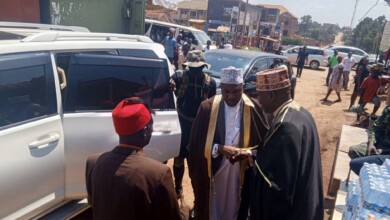
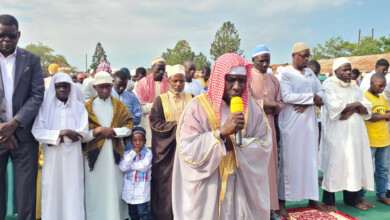
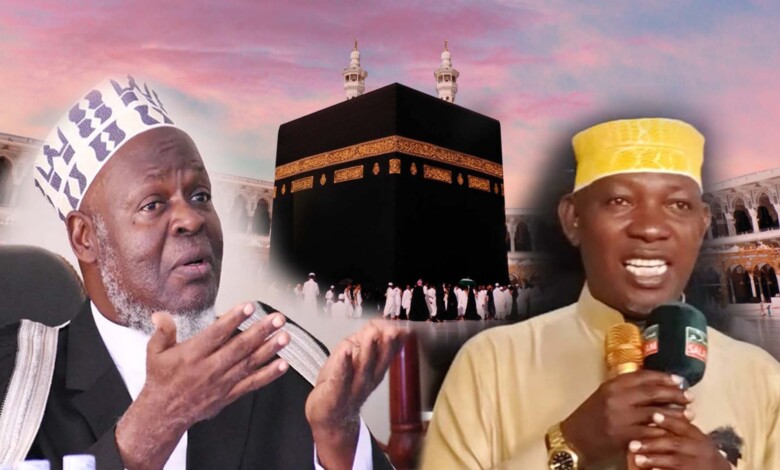
Armed with a letter of endorsement signed by Uganda’s junior minister for foreign affairs, Henry Okello Oryem, the Mufti, Sheikh Shaban Ramathan Mubaje, together with other senior UMSC officials, convened meetings, addressed press conferences, and engaged lawyers to threaten legal action against UBHA over alleged mismanagement of the sacred Hajj processes.
Makkah Meetings
Having succeeded in persuading Oryem to write to his Saudi counterpart, Mubaje dispatched a delegation led by Sheikh Ziyad Lubanga, the Director of Sharia at UMSC, tasked with convincing Saudi authorities to recognise the council as the sole manager of Hajj affairs in Uganda. In Makkah, the delegation linked up with Hajji Sadat Ssewanyana, the director of Makkah–Madinah Hajj Services, one of the firms opposed to UBHA.
According to sources briefed on the meetings, the group presented a case to Saudi authorities arguing that UBHA’s mandate should be reviewed or cancelled, insisting that UMSC, as the umbrella Muslim body in Uganda, should oversee the pilgrimage.
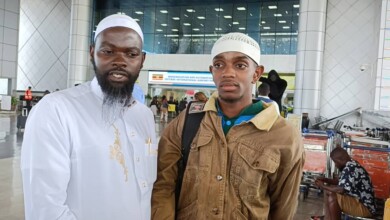
At the same time, UBHA officials, led by Sheikh Zakaria Kyewalyanga, were also in Saudi Arabia, holding meetings with the Ministry of Hajj and Umrah and other technical departments to finalise operational details for the upcoming pilgrimage season.
Despite UMSC’s push, Saudi officials are said to have adopted a cautious, procedural approach, emphasising continuity and formal documentation. Sources say the Saudis declined to intervene in what they described as an “internal administrative dispute,” opting instead to continue working with the entity already recognised within their system.
This position, according to sources, was informed by a dossier compiled by the Saudi Arabian embassy in Kampala, which outlined seven reasons why the Mubaje-led group should not be entrusted with the management of Uganda’s Hajj affairs.
Excited by the developments, Kyewalyanga’s delegation flew back to Kampala last weekend without the knowledge of their UMSC counterparts, who had been expecting a joint meeting with Saudi officials.
“The information we have is that Sheikh Kyewalyanga was expected for a meeting at the Ministry of Hajj and Umrah, but for three days now he has not shown up,” a UMSC source said on February 1.
As the Makkah engagements continued, Muslim leaders from Kibuli, Nakasero, Bukoto-Nateete, and other groups critical of the current UMSC leadership held meetings with government officials in Kampala to express their disapproval of what they described as efforts by the Ministry of Foreign Affairs to place them under Mubaje’s authority.
On January 31, Sheikh Umar Swiddiq Ndawula, a longstanding critic of Mubaje, appeared on Pearl FM radio, where he further articulated their concerns.
“We shall not accept any attempts to put us under Mubaje’s control. The scars from our disagreements with Mubaje since the early 2000s are still fresh; you cannot take us back,” Ndawula said. He argued that the management of Hajj affairs should remain under UBHA, which is a neutral body.
UMSC SPEAKS
With the deadline for final data uploads and updates on the official Nusuk Hajj platform set for Saturday, February 8, the UMSC management team was still weighing its next course of action.
The executive committee was expected to issue a communiqué following its Tuesday meeting, but no official position had been released by press time. However, some senior officials sought to play down developments from Makkah, insisting that Saudi authorities could not disregard a formal government-to-government correspondence in favour of representations by individuals; an apparent reference to Oryem’s letter.