
Mubaje condemns civilian killings in the Middle East war
By Issa Kigongo and Ahmed Idriss
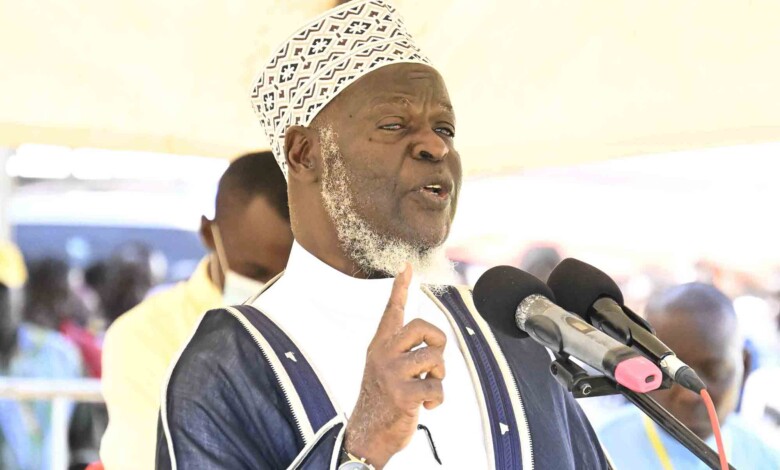
The Mufti of Uganda, Shaban Ramadhan Mubaje, has condemned the widespread killing of civilians in the ongoing conflicts in the Middle East, describing the violence as inhuman and unacceptable, particularly during the holy month of Ramadhan.
Speaking during the burial of Sheikh Abdu-Majid Abubakar Muyangu, a prominent Muslim cleric in Bugweri District on Sunday, the Mufti expressed concern over the continued loss of innocent lives, including women, children, and the elderly.
“We are witnessing widespread killings of civilians. Such acts are totally inhuman and unacceptable, especially during the holy month of Ramadan,” Mubaje said.
He also noted that the violence appears to spare no one, citing reports that even senior religious figures such as Ali Khamenei, the Iranian Supreme Leader, were killed in the bombings.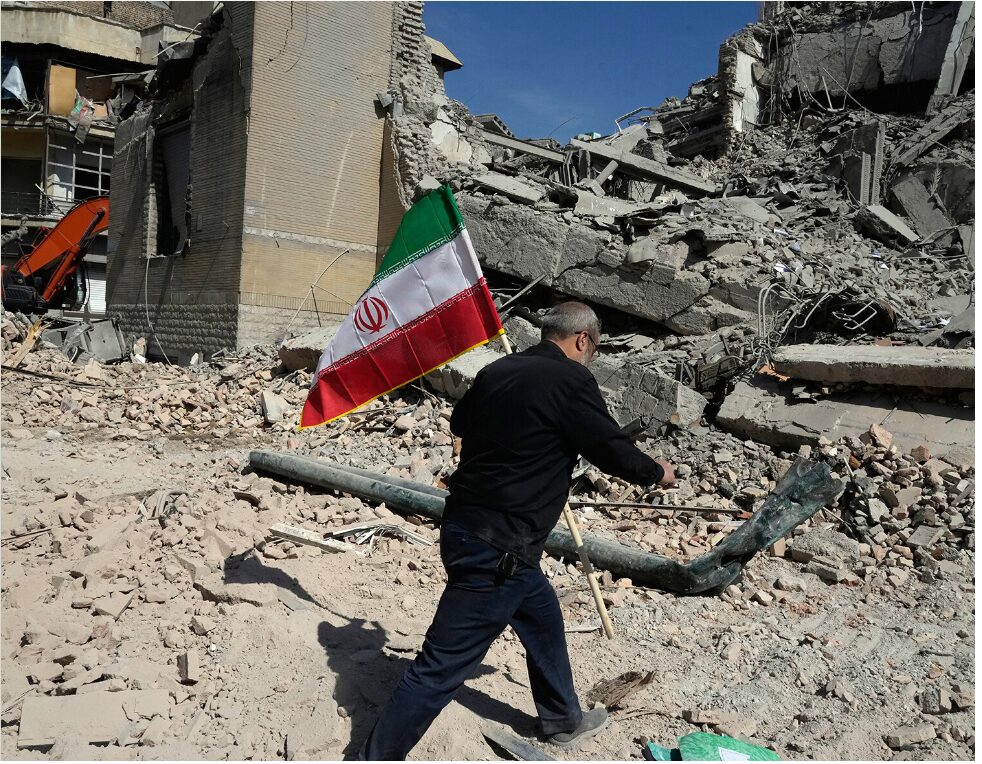
At least 1,100 civilians and scores others in Lebanon, Israel, Kuwait, Oman, Qatar, the Emirates had been killed in Iran by Press time
BURIAL OF VETERAN CLERIC
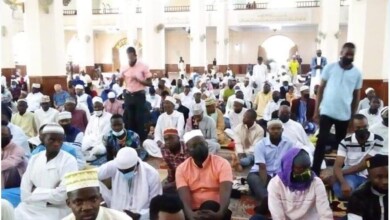
The Mufti was addressing mourners during the burial of veteran Muslim scholar Sheikh Abdu-Majid Abubakar Muyangu, who was laid to rest at his ancestral home in Namalemba village, Bugweri District, near the Tirinyi–Mbale Highway.
The late cleric was also the paternal uncle of the Deputy Mufti of Uganda, Muhammad Ali Waiswa.
During his address, Mufti Mubaje urged Muslims to remain guided by the teachings of the Qur’an and the sayings of the Prophet Muhammad.
“I reiterate my message to the Muslim faithful to adhere to the Islamic faith as ordained in the Holy Qur’an and the teachings of the Prophet Muhammad. Maintain peace, brotherhood and unity in diversity,” he said.
WARNING AGAINST SECTARIAN DIVISIONS
The Mufti cautioned Muslims against importing sectarian disputes from other regions, recalling past divisions within Uganda’s Muslim community during the 1980s and 1990s.
He noted that disagreements over relatively minor practices such as whether prayers should be recited loudly or quietly, or the wearing of beards once fuelled tensions among local Muslims.
“Yet the core pillars of Islam remain the same,” he said. “Anyone who sincerely testifies that there is no deity worthy of worship except Allah and that Muhammad is His messenger is your brother.”
GUIDANCE ON BURIAL PRACTICES
Mufti Mubaje also addressed Islamic burial practices, explaining that many burial traditions observed in Uganda are influenced by the jurisprudence of Muhammad ibn Idris al-Shafi’i (Imam Shafi’i).
He noted that some practices introduced by clerics returning from studies in Arab countries, such as leaving bodies uncovered during burial, sometimes create confusion or discomfort among mourners from different religious backgrounds.
To safeguard the dignity of the deceased and respect grieving families, the Mufti issued guidance encouraging Muslims to cover coffins during burials.
CLARIFYING CULTURAL PRACTICES
The Mufti also clarified that certain cultural gestures such as a Muslim woman kneeling while addressing her husband should not be mistaken for acts of worship.
He explained that in many communities the gesture represents respect rather than idol worship, comparing it to greeting customs in some Arab cultures where people kiss the forehead or hand of elders.