Muslims in Ankole–Kigezi appeal for greater ministerial representation
By Issa Kigongo
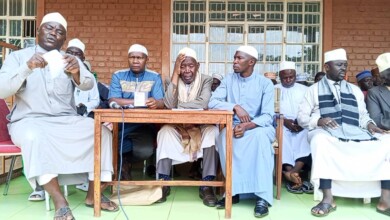
Muslim leaders in the Ankole–Kigezi sub-region have appealed to President Yoweri Museveni to consider appointing more Muslims to ministerial positions, citing what they describe as continued underrepresentation both regionally and nationally.
The appeal was made during Idd-ul-Adha prayers held in Kabale District, where religious leaders expressed concern over the absence of Muslims among the currently appointed ministers from the Ankole–Kigezi region despite the presence of qualified individuals within the community.
According to the leaders, Muslims currently occupy only three out of the 30 Cabinet Minister positions and five out of the 50 State Minister slots nationwide, representing about 9.7 percent of the total ministerial appointments.
“We humbly appeal to President Yoweri Kaguta Museveni to consider appointing more Muslims in the remaining ministerial positions so that all communities can share equitably in national leadership and development,” one of the leaders said during the prayers.
The District Kadhi for Kabale, Rukiga, and Rubanda reportedly raised the matter during his sermon, emphasizing the need for inclusiveness in public appointments.
ROLE OF MUSLIMS IN NATIONAL LIBERATION
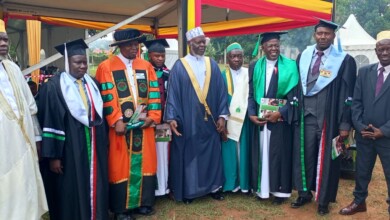
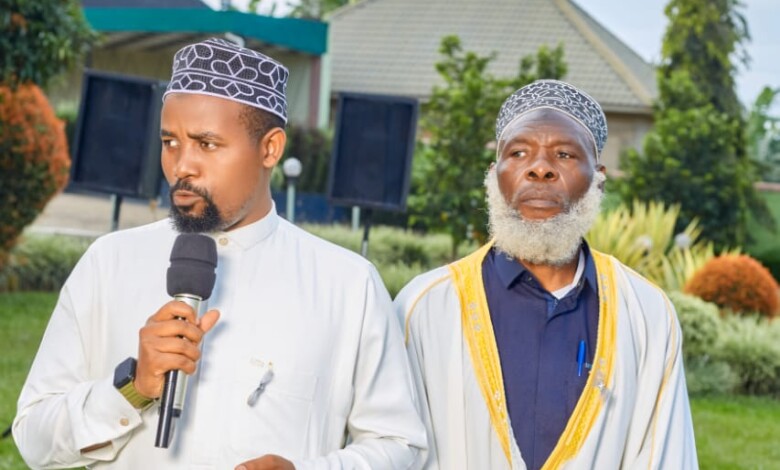
Speaking from the regional Muslim headquarters in Mbarara, Imam Matsiko Yahya Mwinekaruuza, the Head of Runyakitaradawa, highlighted the historical role played by Muslims in Uganda’s liberation struggle.
He said Muslims had actively participated in various liberation movements dating back to the 1970s, including the Front for National Salvation (FRONASA), the Uganda Patriotic Movement (UPM), and the National Resistance Army (NRA) struggle that eventually brought the National Resistance Movement (NRM) government to power.
Imam Matsiko cited Erias Bamanya Kyooma from Kigezi as one of the patriots who lost their lives during the September 1972 attack in Mbarara.
He also mentioned several Muslim families from western Uganda that he said made significant contributions during the liberation struggle, including the family of Hajj Karuza Said and Maama Zena of Kitwe Rukoni-Ruhama, the Bigyega family, and the Rubakare family from Ntungamo District.
“Many of these people are well known to the President, but today only a few elders such as Mzee Hajj Karuza remain,” Imam Matsiko said.
The leaders further appealed for at least two ministerial positions to be allocated to Muslims from Western Uganda, noting that the region has not had Muslim ministerial representation since 1986.
They expressed hope that their appeal would be considered in the spirit of unity, inclusiveness, and national progress.