
Prepare holistically for Ramadhan, UMSC Sharia Director urges Muslims
Ahmed Idriss
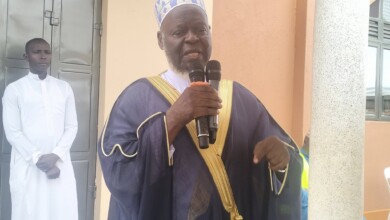
The Director of Sharia at the Uganda Muslim Supreme Council (UMSC), Dr. Ziyad Swalleh Lubanga, has urged Muslims to begin early preparations for Ramadhan, calling for spiritual renewal, personal discipline, community responsibility and moral restraint as the holy month approaches.
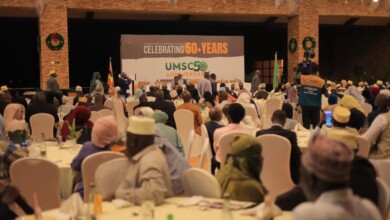
Delivering a sermon at the Gaddafi National Mosque on Friday, Dr. Lubanga reminded worshippers that time was fast running out before the start of Ramadhan.
“It is only few weeks remaining,” Dr. Lubanga said, urging Muslims not to wait for the sighting of the moon to begin reforming their lives.
He anchored his message in the Qur’an, particularly Surah Al-Baqarah (Chapter 2), noting that fasting was prescribed to instil righteousness and moral clarity among believers.
“In which words do we learn the Qur’an? The goodness of our own kind and the clearness of goodness,” he said, adding that the chapter clearly defines the purpose of fasting in Islam.
Dr. Lubanga outlined spiritual preparation as the foundation of Ramadhan, calling on Muslims to reflect deeply on their relationship with Allah and the teachings of the Qur’an.
“We should prepare ourselves,” he said, noting that preparation requires deliberate intention, reflection and commitment before the month begins.
On individual preparation, he explained that fasting trains believers to control desires, set limits for sin and grow in patience and endurance.
“By moving, by verifying, by setting limits for sins, fasting shapes the individual,” Dr. Lubanga said, adding that the discipline learnt during Ramadhan should extend beyond the month itself.
He also spoke about community preparation, urging leaders and believers alike to prioritise service, generosity and unity.
“If the leaders are not serving the people, then something is wrong,” he warned, calling on Muslims to care for one another through sharing food, supporting the needy and strengthening communal bonds.
Quoting Prophetic guidance, Dr. Lubanga reminded worshippers that fasting must go hand in hand with good conduct.
“The Prophet used to say that fasting is a shield,” he said. “If someone fights you or abuses you, say: I am fasting.”
He further emphasised verbal and moral discipline, calling on Muslims to guard their speech, increase charity and show compassion to the poor and vulnerable.
“Give food in special love, give sadaqah, and help those who are fasting,” he urged.
Dr. Lubanga reminded Muslims that Islam allows flexibility for those who are weak or facing hardship.
“If you are weak, fast when you are able, and if you are unable, then break your fast,” he said, stressing that sincerity and intention remain central to worship.
He encouraged Muslims to use the remaining days before Ramadhan to understand its meaning and help others appreciate the values of fasting, mercy and social responsibility.
“I want us to go to the community so they can hear what Ramadhan means,” he said.