
Ramadhan: Resetting the Family Attitude Compass
Janat Yahaya Naggolola – Certified parenting coach & Character Development Expert Your Parenting Ally
“In Ramadhan, we don’t just fast from food, we fast from negative attitudes.”
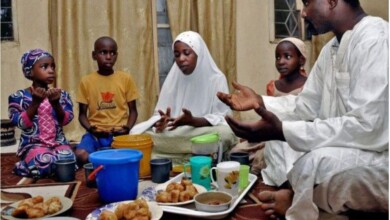
It is the 17th day of Ramadhan.
You wake the children for Suhoor. One complains about sleep. Another argues about what is on the table. By midday, irritability increases. Homework feels heavier. Small disagreements escalate quickly. By Iftar, everyone is exhausted, physically and emotionally.
As a parent, you wonder: “Is this how a month of mercy is supposed to feel?” The problem is not hunger. It is outlook.
Ramadhan does not only test our patience, it exposes our attitude. And what it reveals in our children (and in us) is exactly what needs shaping.
Insights
- Hunger Reveals What Is Already Inside
When food is removed, character surfaces. Complaints, impatience, gratitude, calmness, they all become visible.
Ramadhan is not creating the attitude problem; it is revealing it. This is your opportunity to guide, not react.
Instead of saying, “Stop complaining,” try: “This is a chance to train patience. What is your hunger teaching you today?”
- Children Mirror Our Emotional Responses
If Iftar preparations feel chaotic and stressful, children absorb that energy. If delays cause visible frustration, they internalize that response.
Ramadhan magnifies leadership in the home. Your calm during traffic before Iftar, your patience when food is late, your tone when correcting, these shape their emotional regulation far more than lectures.
- Ramadhan Is a Mindset Training Camp
Fasting teaches delayed gratification. Taraweh teaches discipline. Charity teaches empathy. But without a guided mindset, children may only experience fatigue.
Help them connect discomfort to growth: “Your tiredness is building strength.”
“Your patience today is training your future character.”
“Your self-control now will help you in exams and friendships.”
When children see purpose, attitude shifts.
- Gratitude Changes the Atmosphere
One powerful shift during Ramadhan is moving the family conversation from complaints to gratitude.
At Iftar, instead of focusing on what is missing, ask: “What was one moment today you handled better than yesterday?”
“What challenge did you respond to with patience?”
Gratitude reframes hunger into growth and transforms exhaustion into meaning.
- Consistency Builds Character Beyond Ramadhan
A positive attitude is not built in one emotional talk. It is built in repeated daily responses.
When your child: Controls their temper while fasting
Chooses calm over argument
Shows responsibility despite tiredness
Acknowledge it specifically. Reinforcement strengthens identity.
Ramadhan becomes powerful when children begin to see themselves as disciplined, patient, and emotionally strong.
Reflection
This week, ask yourself: How has my attitude during fasting influenced my children’s behaviour?
Where have I modelled calmness under pressure?
What one response can I improve tomorrow?
Then choose one situation; Suhoor, homework time, or Iftar and intentionally approach it with composure and optimism.
Conclusion
Ramadhan is not only about abstaining from food. It is about refining outlook. When parents consciously shape the emotional climate of the home, fasting transforms from a physical exercise into a character-building journey.
Your child’s direction: In school, relationships, and faith is quietly being shaped this month. And often, it begins with something as simple as attitude.
PS:
Through structured mentorship, parenting workshops, and character development programs, we support families in turning sacred seasons like Ramadhan into intentional training grounds for emotional intelligence, resilience, and faith-driven leadership in children.
+256772858289
+256704796915