
Sheraton opens dedicated Ramadhan Iftar space

By Sarah Nalule
As Muslims observe the holy month of Ramadhan, Sheraton Kampala Hotel has unveiled a dedicated Iftar dining area, blending tradition with a focus on healthy, balanced eating.
The hotel says the special Ramadan set-up is designed to provide a calm, culturally respectful environment where families, corporate groups, and friends can comfortably break their fast at sunset.
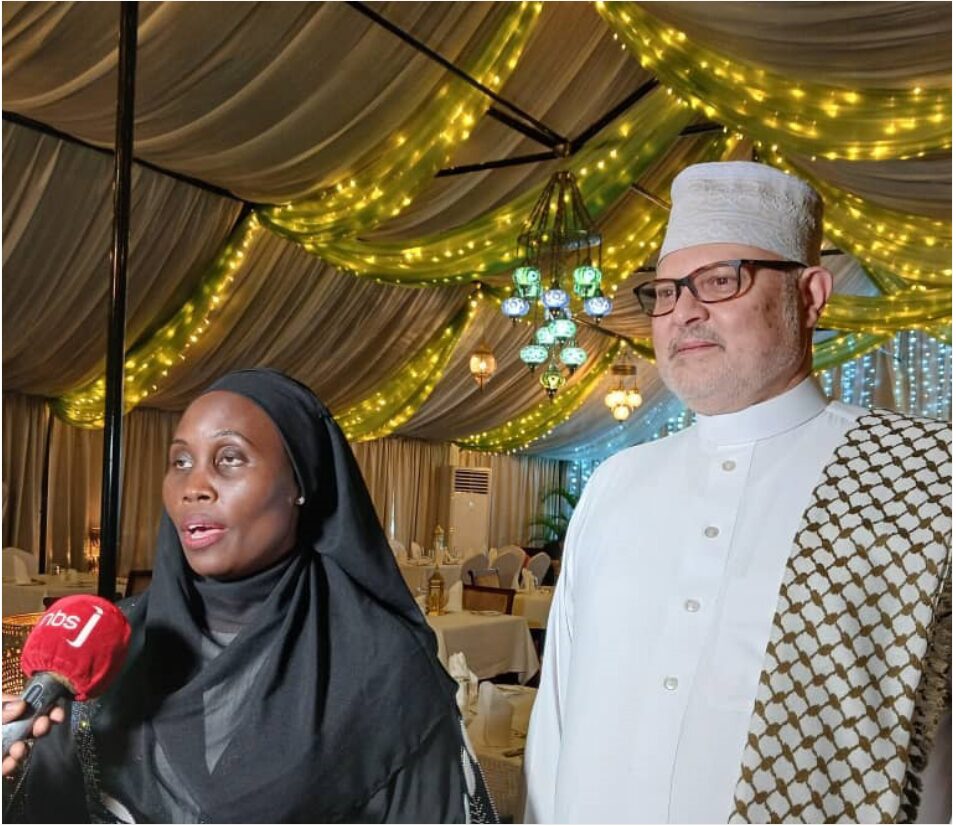
“We understand that Ramadan is both spiritual and communal,” Jean-Philippe Bittencourt, the hotel’s general-manager said. “We have created a specific Iftar space that offers not just variety, but also thoughtful, balanced meal options.”
The hotel’s chefs have curated menus featuring dates, fresh juices, light soups, grilled meats, rice dishes, vegetables, and salads. Management says the aim is to encourage moderation while maintaining flavour and authenticity.
Health experts say such initiatives align with medical advice for fasting.
Dr Sarah Nanyonga, a Kampala-based nutritionist, notes that what a person eats between Iftar and Suhoor (Daaku) largely determines how well the body copes with long hours without food or water.
“Breaking the fast with dates and water is both a religious tradition and a healthy practice,” she explains. “After that, the body needs balanced meals, not excessive fried foods or sugary drinks.”
She warns that overeating at sunset often leads to bloating, fatigue, and dehydration. Instead, she recommends meals rich in complex carbohydrates, lean proteins, fruits, and vegetables to stabilise energy levels.
Hydration, she adds, should be gradual and consistent throughout the night. “Drink enough water between Iftar and Suhoor. Limit caffeine and very salty foods, as they increase thirst the next day.”
For Suhoor, fibre-rich foods such as oats, eggs, yoghurt, beans, and whole grains help sustain energy during fasting hours.
Dr Nanyonga also advises people with underlying medical conditions to seek professional guidance before fasting. “Ramadhan is spiritually uplifting, but health should never be compromised. Islam provides exemptions where necessary.”
The hotel’s management says the Ramadhan initiative also reflects the charitable spirit of the season, with some events incorporating community outreach programmes.
Beyond the hotel setting, experts describe Ramadhan as an opportunity to reset eating habits.
“If someone can discipline themselves to fast all day, they can certainly reduce unhealthy snacking and sugar intake even after Ramadan,” Dr Nanyonga says. “The month teaches self-control, and that discipline should extend to diet.”
As families gather nightly to break their fast, the message from both hospitality providers and health professionals is clear: Ramadan is not only about abstaining during the day, but also about making mindful choices at the table.