
Travel firms cut Umrah costs as UMSC pushes for sector control
By Abdul-Wahid Kakande
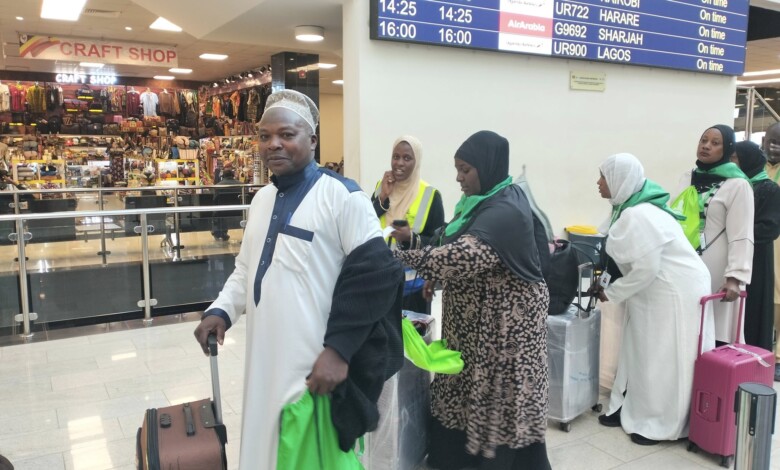
Uganda Muslim Supreme Council’s (UMSC) renewed push to take control of the Hajj and Umrah services sector has compelled industry players to slash Umrah fares, The Friday Call has learnt. As a result, any Muslim intending to perform Umrah — the lesser pilgrimage to Makkah in Saudi Arabia — can now undertake the journey for as little as Shs4.8 million, following significant reductions announced by several travel companies.
A number of Hajj and Umrah service providers have announced sharp reductions in Umrah fares, with packages now starting from as low as Shs3.8 million, down from between Shs9 million and Shs10 million previously charged by some operators — figures widely seen as prohibitive, particularly for less affluent Muslims who have long yearned to visit Makkah and Madinah, Islam’s two holiest cities.
Among the companies that have reduced their Umrah fares are Maqam Tours and Travel and Jangu Tours and Travel.
Addressing journalists on February 25 at the Maqam Tours and Travel offices at Salsabil Mall in Kisasi, near Kampala, Sheikh Shafik Mafo, a director at the company, said the decision was prompted by growing concerns that Umrah, like Hajj, was steadily becoming unaffordable for poorer Muslims.
“Recognising this growing concern, we have taken a deliberate step to ease the burden by reducing our July Umrah fares by 40 per cent, making the pilgrimage more accessible to those who wish to visit the holy cities of Makkah and Madinah,” Sheikh Mafo said.
He disclosed that the company had previously been charging between Shs9 million and Shs10 million per pilgrim. “We have done this as part of our social responsibility,” he added.
Responding to concerns raised by UMSC over high charges, Mafo argued that fares cannot be standardised across the sector.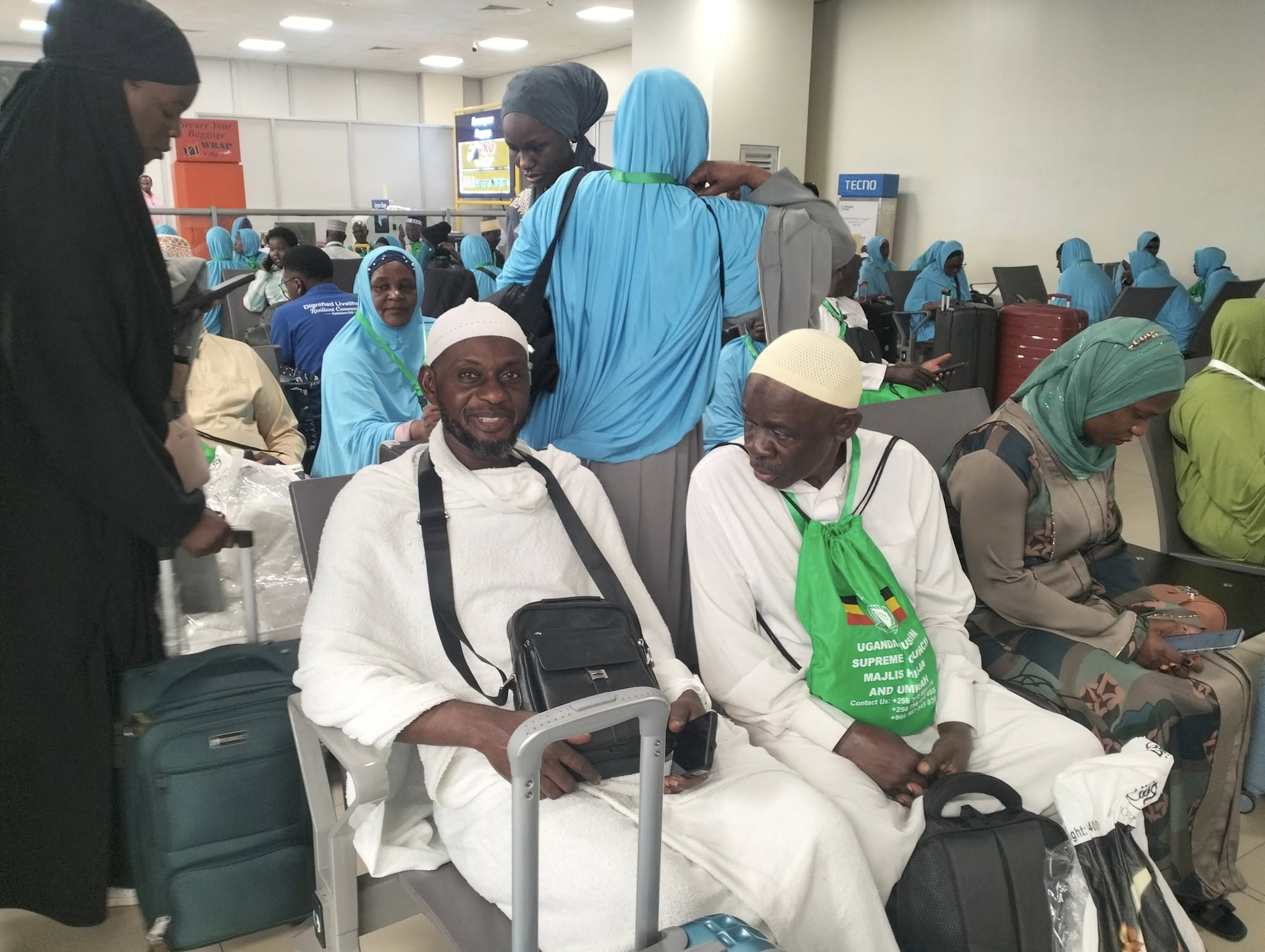
“A pilgrim who opts for five-star accommodation cannot be charged the same as one staying in more modest facilities. The same applies to the class and type of aircraft used,” he explained.
On UMSC’s proposal to reduce the number of Hajj and Umrah companies, Mafo described the idea as ill-advised.
“It has been a blessing to have several Hajj and travel companies in place. This gives our people options rather than creating a monopoly,” he said.
He noted that the increase in the number of operators had corresponded with a rise in the number of Ugandans travelling to Saudi Arabia for pilgrimage.
“In the past, many focused solely on Hajj. Today, the number of those performing Umrah has also grown significantly,” Mafo added.
Sheikh Yasin Ssekikubo, another stakeholder in the sector, echoed similar sentiments, warning that monopolising the industry could undermine its progress.
“Hajj and Umrah have been popularised by these companies, prompting many Muslims to take interest. The UMSC proposal is therefore unfortunate under the circumstances,” Ssekikubo said.
Sheikh Zakariyah Kyewalyanga, chairman of the Uganda Bureau of Hajj Affairs (UBHA), the body responsible for overseeing Hajj arrangements in the country, maintained that uniform fares for both Hajj and Umrah were impractical.
“Charges are determined by accommodation standards and the type of flight chosen. I view UMSC’s assertion as an attempt to antagonise the sector,” Kyewalyanga said.
Since the beginning of the year, UMSC has been vocal in accusing Hajj and Umrah travel companies of inflating charges and pricing out many prospective pilgrims.
The council has also signalled its intention to assume greater control over the sector and reduce the number of licensed operators, citing the example of the Supreme Council of Kenya Muslims (SUPKEM), which streamlined accredited agencies in Kenya.
Unlike Hajj – one of the five pillars of Islam and obligatory for Muslims who are physically and financially able – Umrah is a voluntary pilgrimage that can be performed at any time of the year.
Central to both pilgrimages is the immense spiritual reward associated with prayer in the holy sanctuaries. A single prayer offered at Al-Masjid an-Nabawi in Madinah is believed to be equal to 1,000 prayers elsewhere. Meanwhile, a prayer at Masjid al-Haram in Makkah carries even greater merit, with one prayer equivalent to 100,000 offered in other mosques.
These virtues underscore the deep spiritual desire among Muslims to visit the two cities, not only to maximise religious reward but also to explore historic sites referenced in the Qur’an. Even in ordinary circumstances, prayer performed in congregation in a local mosque is considered to be 27 times more rewarding than praying alone.