
Uganda Hajj thrown into crisis as UMSC, Bureau clash for control
By Sarah Nalule, Ahmed Idriss & Issa Kigongo
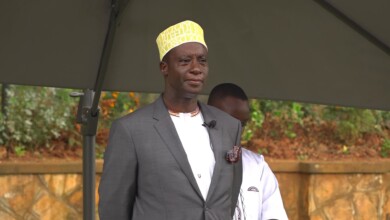
The management of Uganda’s Hajj pilgrimage programme is facing its most serious crisis in years following a dramatic announcement by the Mufti, Sheikh Shaban Ramathan Mubaje, that the Uganda Muslim Supreme Council (UMSC) had taken back control of Hajj visas from the Uganda Bureau of Hajj Affairs (UBHA).
Mubaje said UMSC had “officially repossessed and reclaimed full control of the management of Hajj affairs in Uganda and effectively suspended the operations of UBHA.”
The Mufti said the decision was prompted by what he described as gross mismanagement of the holy pilgrimage by UBHA. He made the remarks on January 10 while speaking at a marriage ceremony in Kiryowa village, Buikwe District.
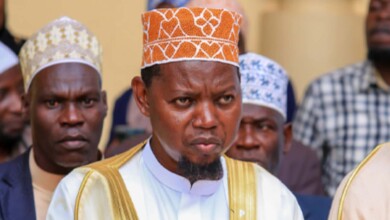
UBHA has since pushed back against the Mufti’s claims. Its chairperson, Sheikh Zakariya Sewakiryanga, described the announcement as “legally untenable.”
GENESIS
Behind Mubaje’s announcement is a partnership that UMSC entered into with Makkah-Madinah Hajj Services, a local firm that secured partial rights to issue Hajj visas.
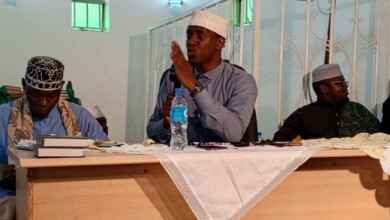
Hajji Sadat Ssewanyana, the firm’s managing director, is understood to have used contacts in Saudi Arabia to get clearance from the kingdom’s Ministry of Hajj and Umrah.
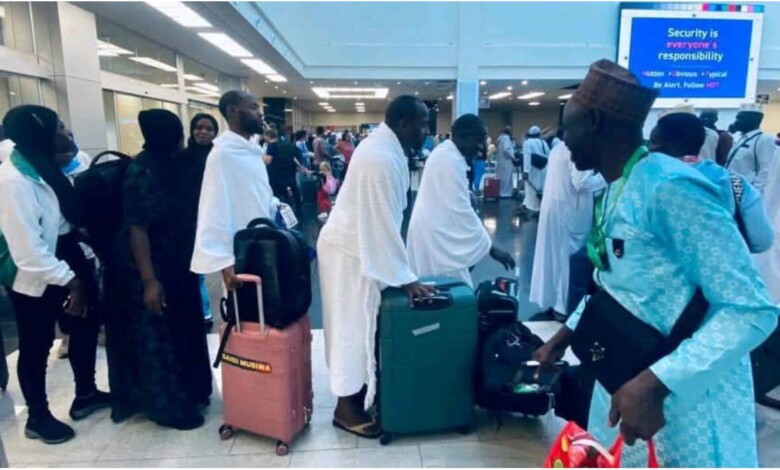
Ssewanyana’s mistrust of UBHA stems from last year’s Hajj season, when 92 intending pilgrims – registered under his firm, missed the pilgrimage after failing to secure visas. While UBHA blamed the failure on late registration, some in the sector questioned that explanation.
The incident also triggered allegations that UBHA inflated Hajj costs, forcing pilgrims to pay unexplained additional charges of up to $1,000.
After successfully registering some of his clients for the 2026 Hajj season, Ssewanyana reportedly demanded that UBHA refund up to $170,000—the money his firm had paid for the 92 pilgrims who missed last year’s journey.
At the same time, he approached Mubaje for UMSC’s backing to secure the necessary documents from Uganda’s Ministry of Foreign Affairs to complete the Saudi accreditation.
In days that followed, sources at the UMSC headquarters told The Friday Call, Mubaje convened a meeting attended by seven Hajj and Umrah service operators, and briefed them on a budding partnership that would, in effect, end UBHA’s monopoly.
Mubaje accused UBHA of turning the Hajj into a commercial enterprise, effectively locking out thousands of believers. He further alleged that the bureau operated without accountability to UMSC while continuing to portray itself publicly as acting under the council’s authority.
“UMSC can no longer remain silent as Muslims are exploited in the name of worship,” Mubaje said, adding that the council was acting to reclaim its constitutional mandate and restore transparency, accountability, and fairness in the management of Hajj.
According to UMSC sources, UBHA charged Ugandan pilgrims USD 1,841 for the 2024 Hajj package, while Saudi service providers offered the same package for USD 1,442, an extra 399 dollars per pilgrim. This overcharge reportedly prevented dozens from traveling.
“For example, 36 pilgrims from UMSC didn’t travel because of this money, yet the extra USD 399 from the USD 1,841 paid by each pilgrim was sufficient to cover 35 pilgrims,” one concerned Muslim explained.
There are also ongoing concerns over feeding fees. UBHA charged USD 43 per pilgrim for meals in 2023 and 2024 but reportedly failed to provide them, despite contractual obligations with service providers in Mina.
Mubaje viewed the partnership with Makkah-Madinah Hajj Services as a breakthrough, having spent years unsuccessfully seeking President Museveni’s backing to bring the management of Hajj affairs under UMSC’s control.
GOVERNMENT BACKS UMSC
In a letter dated January 6, 2026, Foreign Affairs Minister Henry Okello Oryem informed Saudi Arabia’s Hajj and Umra Affairs Minister, Tawfique F. Alrabiah, that UMSC would be the sole competent national authority responsible for coordinating Hajj matters for Ugandan pilgrims.
“I have the honour to formally inform you that Uganda Muslim Supreme Council-UMSC is the apex Muslim institution in Uganda, recognized by the government and mandated to safeguard the spiritual, administrative, and welfare interests of Uganda Muslims, including engagement and coordination of Hajj and Umra matters,” the letter reads.
The minister added that UBHA had been suspended from coordinating Hajj services with immediate effect, including the approval, endorsement, and appointment of Hajj mission entities or service companies on the Nusuk platform, used by Saudi authorities to manage pilgrims.
UBHA HITS BACK
UBHA through Sheikh Ssewakiryanga, its chairperson, flatly rejected the accusations. At a press conference on January 12 in Kampala, Sewakiryanga said neither Mubaje nor UMSC has legal control over the bureau, which operates independently of the Mufti’s authority.
“The Uganda Bureau of Hajj Affairs is an independent, registered institution with its own constitution, leadership, and systems,” Sewakiryanga said. He added that while UMSC may withdraw any form of association, it has no powers to suspend or repossess the bureau.
“What he [Mubaje] can do is withdraw UMSC’s membership [from UBHA], because the bureau is not operating under UMSC,” he added.
Despite UBHA’s claims, correspondences obtained by reporters show that the bureau has informed Saudi service providers, including Hamza Plus, that it operates under UMSC supervision, highlighting the institutional tension.
He further argued that for more than 23 years, the bureau has operated independently, is recognised by Saudi Arabian authorities, and derives its mandate through government structures, including the Ministry of Foreign Affairs.
Sewakiryanga also rejected claims of financial exploitation through exorbitant or unexplained charges, saying all payments are governed by clear contracts.
“We have clear contracts that guide the money pilgrims are supposed to pay. Claims that pilgrims are paying extra money are misleading,” he said.
He added that the bureau has already begun preparations for the 2026 pilgrimage, including registering residential facilities where Ugandan pilgrims are expected to stay in Saudi Arabia.
“So far, we have already started this year’s process, including registering all the residences where pilgrims will stay. Our work is ongoing and uninterrupted,” he said.