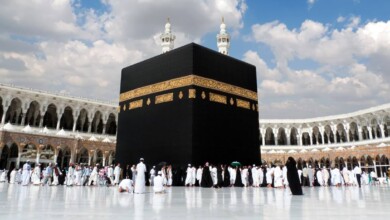

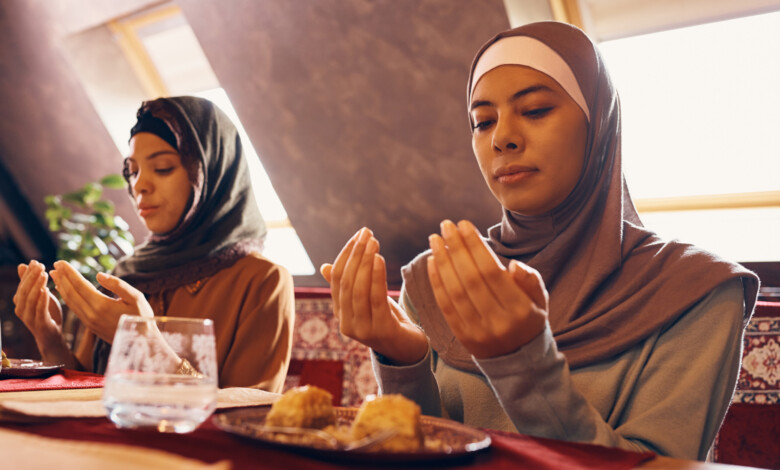
Why Muslims fast
Dr. Shaykh Mayambala Hassan.
What is the philosophy of fasting in Islam?
Short Answer: Fasting is the closest and most effective way to reach perfection and spirituality. The Holy Quran mentions the benefit of fasting to attain piety; This piety is achieved by refraining from the longing for eating, drinking, and lust.
Fasting is one of the Furu’ Ad-Din (ancillaries) of the religion of Islam and one of the greatest Islamic acts of worship; according to the Infallible, fasting is one of the five pillars of Islam. Of course, this worship is not specific to the Islamic Ummah, and the pre-Islamic nations also fasted in various forms on certain days of the year, such as abstain from meat, abstain from milk, abstain from eating and drinking, etc as the Quran in Surah Maryam refers to the fast silence of Lady Maryam.
Fasting in Islam is on four types of Wajib (Obligatory), Mustahab (Recommended), Makruh (Reprehensible), and Haram (Forbidden). Ramadhan fasting is one of the obligatory fasts. In the Holy Quran, God states the ruling on the obligation of fasting as follows:
“O’ you who have believed, decreed upon you is fasting as it was decreed upon those before you that you may become righteous” (Quran 2:183)
There are many narrations in the virtue of fasting, and this verse itself is a clear proof of the virtue of fasting; Because at the end of the verse, the benefit of fasting is mentioned as “pious”. In other words, fasting is the closest and most effective way to reach perfection and spirituality.
But there are various spiritual, personal, and social philosophies for fasting, some of which are described below:
Strengthening patience and forbearance:
The Quran, in a statement, calls on the believers to be patient and steadfast and says: “O’ all you who believe, seek help in patience and prayer; surely God is with the patient.” (Quran 2:153)
The exegetes believe that “patience” in the verse in question means “fasting”.
Actually, fasting strengthens the spirit of patience in man and saves man from problems.
Divine reward:
In a Hadith, we read: “Every act of the human is for himself, except for fasting – it is for God, and God rewards for it.”
Some great commentators have explained this hadith that fasting is the only worship that is hidden from others until one states it; unlike other worships that others see, and this may lead to hypocrisy in that worship. That is why God has said that fasting is for Allah.
Answering prayers:
It is narrated that the Prophet of Islam (PBUH) delivered a sermon on the last Friday of the Month of Sha’ban, one of the years, in order to prepare his companions to welcome the holy Month of Ramadhan and expressed the importance of this month as follows: “O’ People! The Month of Allah (Ramadhan) has come with its mercies, blessings, and forgiveness. Allah (SWT) has decreed this month the best of all months. The days of this month are the best among the days, and the nights are the best among the nights and the hours during Ramadhan are the best among the hours. This is a month in which you have been invited by God (to fast and pray). Allah has honoured you in it. In every breath you take is a reward of Allah), your sleep is worship, your good deeds are accepted, and your invocations are answered.”
Lust control:
It has been narrated from the Holy Prophet in a Hadith that: “It is upon you too fast, which cuts those veins (reduces lust) and cuts intoxication.”
Peace of heart and soul:
Fasting is one of the factors of calming and strengthening the human soul and spirit. Not eating or drinking at a certain time by the order of the Creator of the universe is a kind of exercise to control lusts and instincts. It brings up the spirit of patience and piety so that it does not show impatience and turmoil in the face of adversity.
Understanding the situation of the poor and needy:
Fasting causes everyone to suffer from hunger and thirst, and this can be a ground for paying attention to the plight of the poor and needy.
Health and Zakat of the body:
In various Islamic hadiths, fasting is mentioned as a factor for health, as the Prophet says: “Fast to stay healthy.”
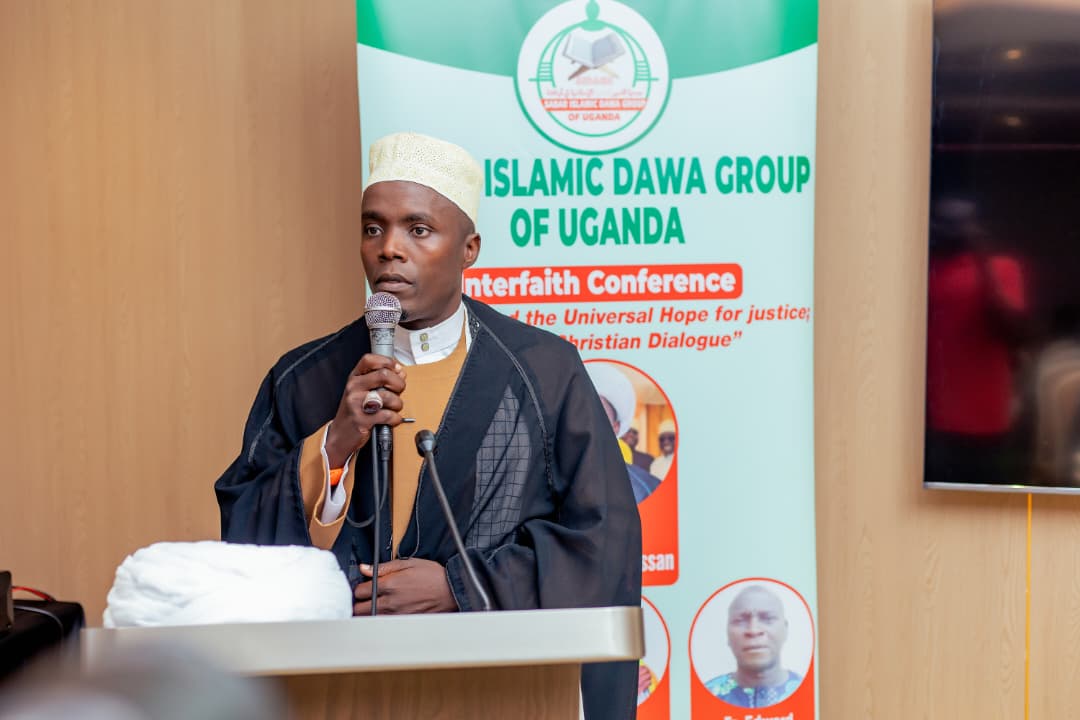 The Author is the Director, Sabar Islamic Dawa Group of Uganda