Campaign to empower Western Uganda Imams launched
By Issa Kigongo
Buoyed by the success of its three-day outreach programme in Bundibugyo District, the Runyakitara Da’wah Agency (RDA) has pledged to expand its community engagement initiatives across western Uganda.
The programme, held from July 10 to 12, brought together Muslim scholars, district leaders, Imams and youth leaders from the Rwenzori sub-region for a series of activities aimed at strengthening Islamic education, leadership and socio-economic development.
According to the organisers, the overwhelming turnout reflected growing public confidence in the agency’s faith-based approach to addressing social and economic challenges facing communities.
The outreach began on Friday with Da’wah sessions and sermons in mosques across Bundibugyo, where Imams urged worshippers to embrace unity, peaceful coexistence and collective responsibility as pillars of community development.
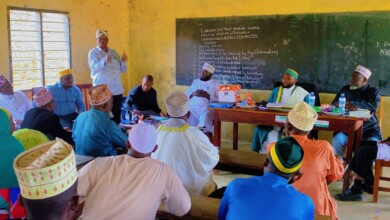
On Saturday, the focus shifted to leadership development, with RDA organising an induction and capacity-building workshop for Imams. Participants received training in institutional leadership, financial accountability, conflict resolution and community mobilisation, with facilitators encouraging religious leaders to transform mosques into centres of learning, social welfare and civic responsibility.
The programme climaxed on Sunday with a public conference where participants discussed the role of faith in tackling poverty, resolving conflicts, safeguarding community resources and promoting sustainable livelihoods.
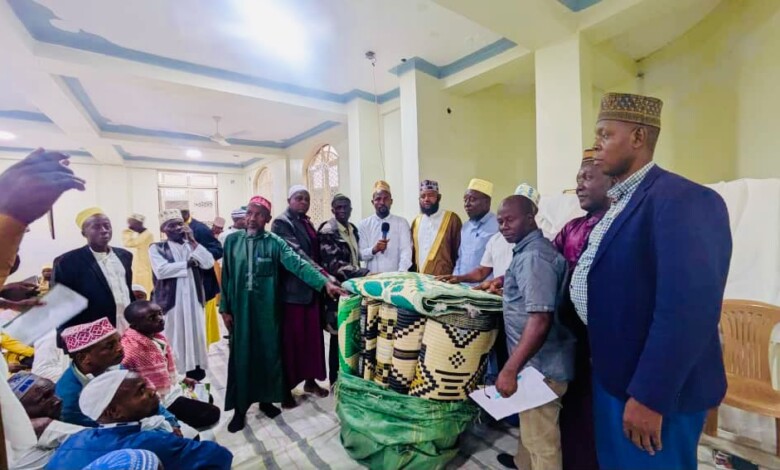
One of the highlights of the outreach was the distribution of hundreds of prayer mats and Islamic educational materials to mosques across Bundibugyo and surrounding districts.
RDA president, Imam Matsiko Yahya Mwinekaruuza said the initiative was intended to strengthen Islamic education and improve access to learning resources at the grassroots.
“We must build a strong foundation for the next generation through job creation, quality education and innovation. By investing in skills and technology, we shall contribute to Uganda’s economic growth while improving the lives of our people,” he said.
He urged religious institutions to broaden their role beyond spiritual guidance by mentoring young people, promoting literacy and supporting entrepreneurship.
The Bundibugyo district Kadhi, Sheikh Ashiraf Kibwana, commended the organisers for empowering Muslim communities through education and leadership.
“We are very pleased and thankful for the initiative of the Runyakitara Da’wah youths, who are educated and committed to uplifting Islam regardless of region, race or tribe,” he said.
The regional assistant to the Mufti for Bunyoro-Tooro Muslim region, Sheikh Ghalib Talib Hussein, called for greater cooperation and inclusivity among Muslims across western Uganda.
“Let us embrace inclusivity and keep this mission moving forward. This is a source of hope for western Uganda. Unity remains the only way to achieve meaningful growth,” he said.
RDA public relations officer, Umar Mugisha said, the organisation would continue rolling out leadership training, youth mentorship and community development programmes in other districts across the region.