Beyond the spider’s web: The Quran’s call to protect the family
By Yusuf Bulafu
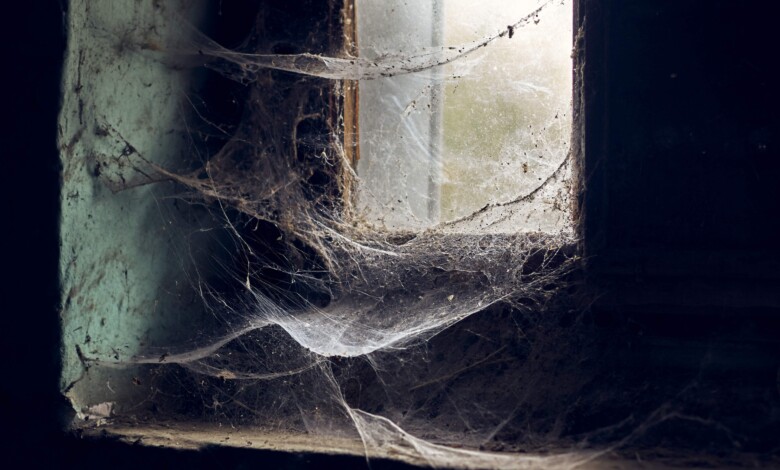
The Quranic description of the spider’s home invites reflection extending far beyond questions of physical architecture and biological observation. The earlier discussion considered how fragile structures resemble systems of misplaced trust that gradually entangle individuals and societies. Yet the family deserves special attention because every civilization depends upon healthy households for moral continuity and social stability.
A home shapes character long before schools, governments, and institutions begin exerting significant influence upon developing minds. For this reason, violence within families represents far more than isolated private misconduct affecting only immediate participants. It weakens the foundations supporting entire communities and future generations simultaneously. When fear begins governing relationships that should be characterized by mercy and protection, the household starts resembling the fragile dwelling highlighted within Surah Al Ankabut.
This comparison becomes more meaningful when examining certain realities associated with the spider itself. Many spider species live without enduring bonds of loyalty, cooperation, or mutual care between family members. After mating, the male sometimes becomes vulnerable to being consumed by the very partner through whom reproduction occurred. In other cases, newly emerged offspring survive through behaviors involving consumption within relationships that should inspire protection and nurture.
Nature follows its own patterns according to divine wisdom, yet these observations offer powerful symbols for human reflection. A family flourishes when members sacrifice for one another through compassion and responsibility rather than exploitation and domination. Whenever relationships become centered upon taking rather than giving, a household begins moving toward profound weakness. The language of family remains present while its essential spirit gradually disappears beneath harmful patterns.
Such dynamics become especially troubling when considered alongside domestic violence and persistent abuse within homes. The purpose of marriage and family involves tranquility, affection, mutual support, and cooperation in pursuing righteousness before Allah.
Violence fundamentally disrupts these objectives because it transforms trust and companionship into anxiety and apprehension. The injured spouse frequently experiences harm extending beyond physical wounds, carrying emotional burdens that remain present long after visible marks disappear. Children witnessing repeated hostility often absorb lessons concerning relationships that shape future expectations and behaviors.
Consequently, violence rarely remains confined to a single moment or isolated incident. Its influence spreads outward through years of fear, uncertainty, and damaged perceptions concerning love and authority. A household may continue functioning outwardly while profound fractures develop beneath ordinary routines and familiar appearances observed by outsiders.
These fractures often deepen because abuse rarely begins with obvious displays of aggression or domination. Harmful patterns frequently emerge through gradual processes involving intimidation, manipulation, humiliation, and increasing control over another person’s choices.
The victim may initially interpret concerning behavior as temporary frustration or occasional emotional weakness. Over time, however, unhealthy dynamics become normalized until circumstances once considered unacceptable appear ordinary and unavoidable. Similar processes occur whenever societies become accustomed to forms of wrongdoing previously regarded with concern and caution.
The web grows thread by thread rather than appearing fully formed within a single moment. By the time danger becomes unmistakable, many pathways toward safety may already seem difficult to access. This gradual development explains why intervention, accountability, and early recognition remain essential for protecting families from destructive cycles.
The effects upon children deserve particular consideration because young minds learn continuously from surrounding examples and experiences. Children develop their earliest understanding of relationships by observing interactions occurring between parents and other family members. When kindness, patience, and respect shape daily life, those values become deeply rooted within their understanding of normal human conduct.
Different lessons emerge when shouting, intimidation, or physical violence dominate household interactions. A child may conclude that authority requires force, that disagreement justifies aggression, or that fear accompanies every close relationship. These assumptions frequently remain influential long after childhood ends.
Without meaningful correction and positive guidance, harmful patterns travel across generations through imitation and the consequences therefore extend beyond individual households and influence broader social realities over considerable periods.
Against this backdrop, the example established by Prophet Muhammad offers an enduring model of strength governed by mercy and self discipline. Historical reports consistently describe a household characterized by gentleness, consideration, and respect toward family members and dependents.