Muslims unveil Shs2.3b cemetery after three-year fundraising drive
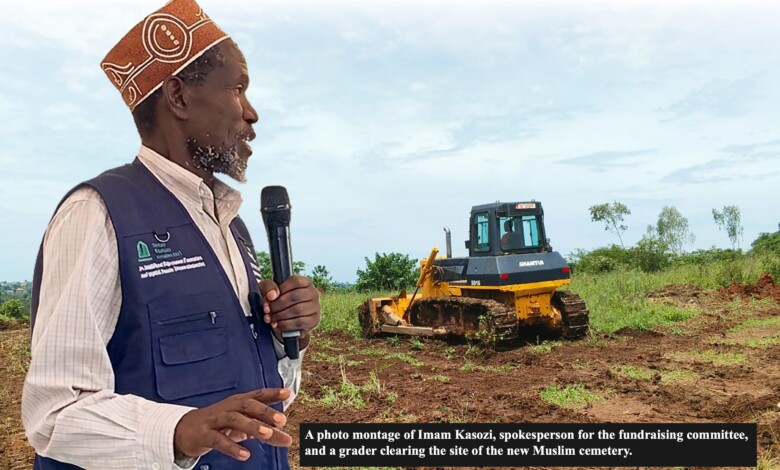
By Abdul – Wahid Kakande and Sarah Nalule
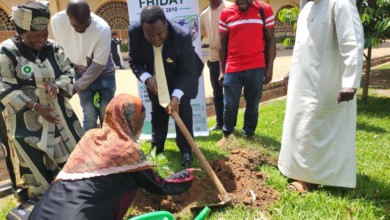
After nearly three years of fundraising, Muslims have acquired a new burial ground, easing the pressure on burial space following the filling up of Nkowe Muslim cemetery.
The new cemetery, described as a garden of peace for the Muslim community, is located in Nakukuba village, Gombe Town Council, Wakiso District, off Semuto Road.
The 43.7-acre piece of land was unveiled on Tuesday by the fundraising committee, led by Hajj Haruna Kalule.
Imam Idi Kasozi, the committee’s spokesperson, said the land was bought for Shs2.3 billion, with about Shs300 million still outstanding. A further Shs276 million is needed to construct a perimeter wall around the grounds.
“We sincerely thank everybody whose contribution made it possible for us to purchase this land. However, we appeal for more contributions to meet the remaining obligations,” Kasozi said.
Burials will begin on November 1, with Sheikh Hassan Lutaaya overseeing the site.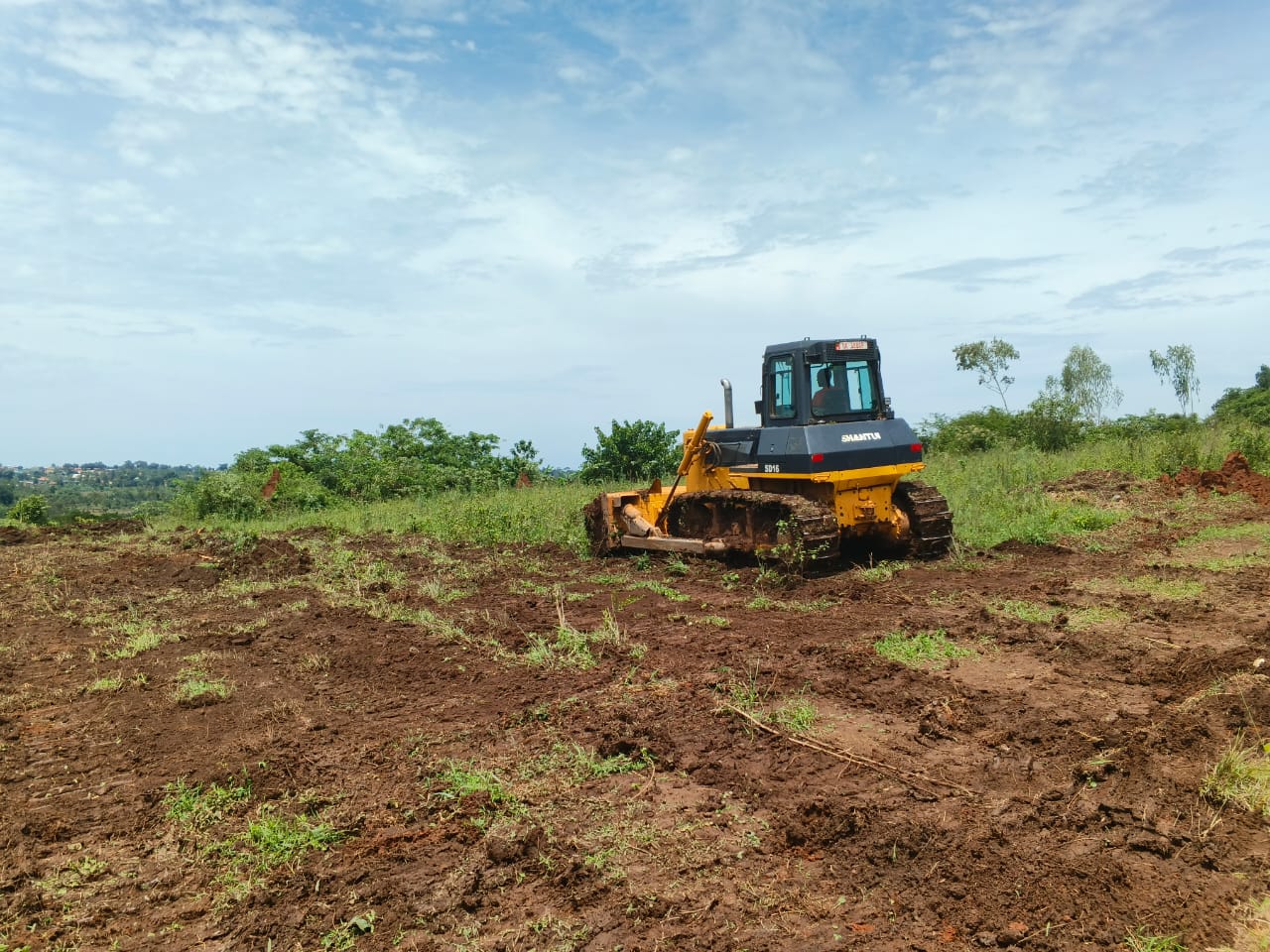
Kasozi said the fundraising drive began on December 12, 2023, at a meeting held at Hotel Africana, when the committee had no money in hand.
“We had zero money and were initially looking for Shs1.3 billion to buy 20 acres of land on Hoima Road. However, we were later informed of a big piece of land at Jezza in Mpigi District, so we raised the target to about Shs4 billion. A lot of words have been said about this drive, but today we are happy to unveil this site,” he said.
He said the committee conducted due diligence before purchasing the land and expects the cemetery to serve as a peaceful burial ground for Muslims.
Hajjat Hadijah Nakayiza, the committee’s treasurer, said about Shs2.6 billion had been collected since the drive began. The money was used to acquire the Nakukuba land and a 20-acre site at Luwube in Wobulenzi, which cost Shs422 million. The committee also bought another cemetery in Kiryandongo District.
“We thank all those who have contributed to this drive, and we pray that you continue to support this project to its conclusion,” she said.
Kalule, who is also the committee chairman, said the initiative followed consultations with Muslim scholars, including Imam Ahmad Ssentongo, the former Makerere University imam.
“When Nkowe got filled up, we decided to set up a committee to mobilise funds to acquire more land for a cemetery because of the demand. I thank all the people who have contributed,” he said.
Committee member Siraje Kifampa described the new cemetery as a major milestone.
THE BURIAL FEES
Unlike at Nkowe, where burial costs were met by the late businessman Bulayimu Muwanga Kibirige, popularly known as BMK, a fee will be charged at the new cemetery.
The fee for an adult burial is Shs150,000, covering grave digging and maintenance. For a child aged 15 and below, the charge is Shs100,000.
THE REQUIREMENTS
To be buried at the cemetery, a person must be Muslim and have a letter from the area imam and another from the LC1 chairperson. Where necessary, a photocopy of the deceased’s will must also be presented.
“That is so that we don’t get disturbed by your families,” Kasozi said.
The committee also plans to maintain accurate burial records and map the grounds to help families locate graves.
“We intend to carry out mapping of the burial grounds for families to easily locate the graves of their loved ones,” Kasozi said.
IS CEMETERY BURIAL ISLAMIC?
Dr Abdul Hafiz Walusimbi, the director of Shariah and Legal Affairs at the Office of the Supreme Mufti in Kibuli, said Muslim scholars differ on burial in cemeteries, but the practice is not contrary to the Quran.
Communal cemeteries appeal to some Muslims because they can be more affordable and are expected to observe Islamic burial requirements, including positioning the deceased to face the direction of Mecca. They also provide a shared place where relatives and other visitors can pray for the dead.
Sheikh Ishaq Mutengu said communal burial grounds could also help minimise concerns about sorcery, a practice prohibited in Islam.
Communal Muslim cemeteries date back to the time of Prophet Muhammad.
After the Hijra, or migration from Makkah to Madinah in 622 CE, the Prophet designated Jannat al-Baqi’ as a burial ground for the Muslim community. As Islam spread, communal cemeteries became established features of Muslim cities.