Experts call for structured Zakat management system
By Ibn Zakariyya Kabuubi
The House of Zakat and Waqf Uganda has launched a digital platform to facilitate the collection, distribution and management of zakat funds, as experts called for a shift from individual giving to a structured institutional approach to Islamic social finance system.
The Integrated Zakat Information Management System (IZIMS) was developed and deployed by Malaysia’s Kedah State Zakat Board, which has committed $800,000 (about Shs 3.3 billion) towards hosting and managing the platform over the next six years.
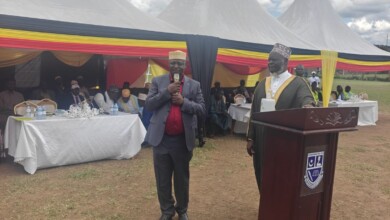
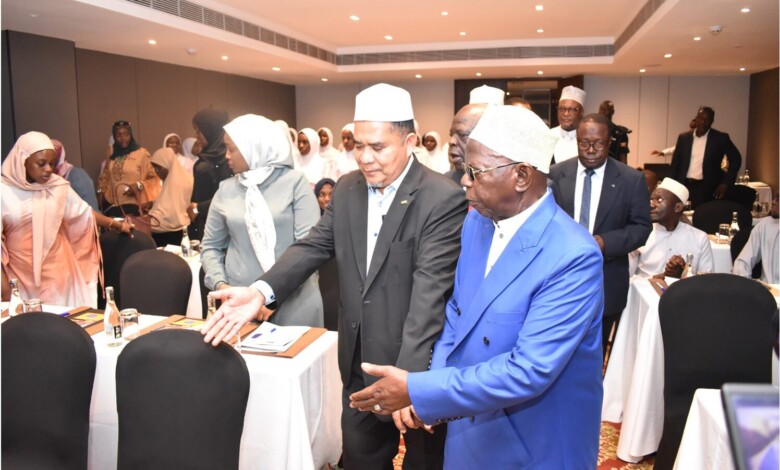
Speaking at the launch during a one-day zakat workshop at Bamus Sarovar Portico Hotel on October 15, Dato’ Sheikh Zakaria bin Othman, chief executive officer of the Kedah State Zakat Board, said the platform was designed to enhance operational excellence, data integration and strategic decision-making in zakat management.
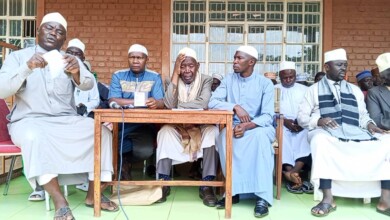
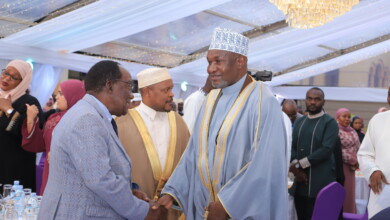
The workshop brought together stakeholders to discuss ways of strengthening zakat administration and maximising its contribution to poverty alleviation and social development.
Dr Hamza Namungo, chief executive officer of the House of Zakat and Waqf Uganda, said effective zakat management goes beyond collecting funds to ensuring that resources reach eligible beneficiaries to improve their livelihoods.
“Institutional effectiveness should never be measured by the amount of money collected. The most important question is what happens after collection,” Dr Namungo said.
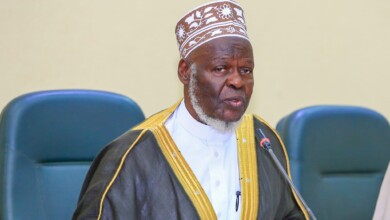
Presenting a paper titled Has Zakat Been Given the Importance It Deserves?, Sheikh Prof Abdul Hafiz Walusimbi, director of Sharia and Legal Affairs in the Office of the Supreme Mufti, urged Muslims to embrace institutional zakat management.
“We need to graduate from the one-on-one, individual approach to zakat, to the institutional approach,” he said.
Walusimbi said coordinated zakat systems could strengthen poverty alleviation, preserve human dignity and build community resilience by complementing government social protection programmes.
He also called for a shift from spontaneous charitable appeals to reliable, needs-based assistance.
Renowned cleric, Immam Iddi Kasozi said trust remains the biggest challenge facing zakat collection, with some Muslims reluctant to fulfil their obligation because of mistrust.
He called on organisations involved in zakat collection and distribution to unite, regardless of their affiliations within Uganda’s Islamic leadership, and establish a national umbrella body to coordinate their activities.
“Our religious leadership politics are undermining the country’s zakat collection potential. We need to come together and establish a national umbrella body to build trust and strengthen zakat collection,” he said.