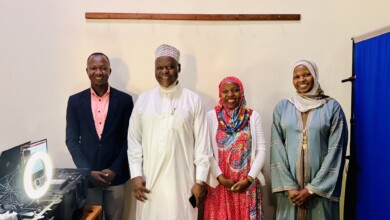
Iran envoy seeks stronger Uganda ties as he bids farewell to Mufti

By Issa Kigongo
Outgoing Iranian Ambassador to Uganda Majid Saffar has called for stronger cooperation between the two countries in agriculture, education, science and investment as he concludes his diplomatic tour of duty.
Saffar made the remarks on Tuesday, October 20, during a farewell visit to the Mufti of Uganda, Sheikh Shaban Ramadhan Mubaje, at the Uganda Muslim Supreme Council (UMSC) headquarters in Kampala.
The envoy thanked the Ugandan government, Muslim leadership and the public for the hospitality and cooperation he received during his stay, saying the two countries could build on their existing relations to expand collaboration in several fields.
He said Iranian companies were already operating in Uganda, while others were considering investment opportunities, particularly in agriculture.
“There are already some Iranian firms operating in Uganda, and more companies are willing to explore investment opportunities in areas of agriculture, such as oilseed farming and livestock production,” Saffar said, citing Uganda’s favourable climate and availability of land.
He also expressed Iran’s readiness to share scientific research, technical knowledge and expertise with Uganda, saying such exchanges could contribute to national development.
On education, the ambassador said Iran was willing to receive more Ugandan students into its higher institutions of learning to strengthen academic links between the two countries.
Saffar also pointed to their membership of the Non-Aligned Movement (NAM), which Uganda currently chairs, as another avenue for closer diplomatic engagement.
The outgoing envoy also addressed the ongoing conflict in the Persian Gulf, describing attacks on Iran as aggression and maintaining that his country’s response was defensive and consistent with international law on national sovereignty.
In response, Mubaje commended Saffar for his service and the relationship he had built with UMSC during his tenure.
Mubaje further acknowledged the government’s commitment to religious freedom, saying Muslims, like other religious communities, were grateful for the opportunity to practise their faith.
“We as Muslims are also grateful to the government for granting us, like other faith groups, the freedom to worship and practise our faith,” he said.
The Mufti urged the parties involved in the Persian Gulf conflict to resolve their differences peacefully. He also wished Saffar well in his future assignments.
“We wish you well in your new endeavours. Anyway, we shall miss you,” Mubaje said.