Luwero prioritizes land protection, community dev’t in FY 2026/27 budget
By Ahmed Idriss
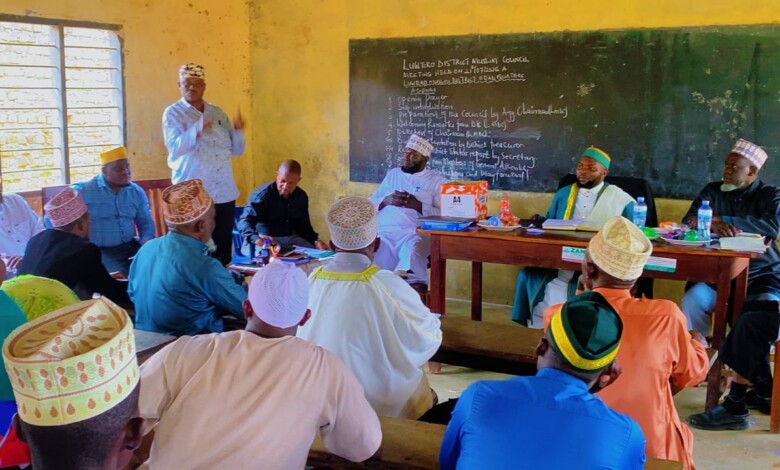
The Luwero Muslim District Council has unanimously approved a Shs 264 million budget for the FY 2026/2027, outlining priorities that include protecting Muslim properties, strengthening district governance, and accelerating community development programmes.
Presenting the budget, District Treasurer Gadafi Abdu Bachou called on leaders at all levels to take ownership of the approved estimates by mobilizing resources and supporting initiatives that will facilitate the smooth implementation of district programmes and day-to-day operations.
A significant portion of the budget has been earmarked for processing land titles for Muslim properties across Luwero District as part of efforts to curb increasing cases of land encroachment and illegal acquisition of community assets.
Addressing the council, Sheikh Mulindwa Ramadhan Nsanja, the Kadhi of Luwero Muslim District, cited the case of Nalweweta, a Uganda Muslim Supreme Council (UMSC) property currently occupied by members of the Kibuli faction, where approximately 7.5 acres were allegedly sold under the pretext of processing land titles.
He said securing land titles remains a priority to safeguard Muslim properties for future generations.
The council also approved the establishment of Sectoral Committees to provide technical guidance and oversight to district departments. The committees will monitor programme implementation, strengthen accountability, and ensure the proper mobilization and utilization of resources under the approved budget.
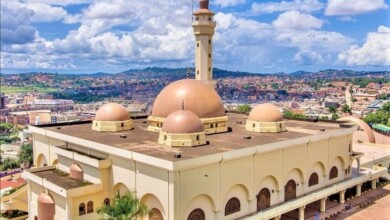
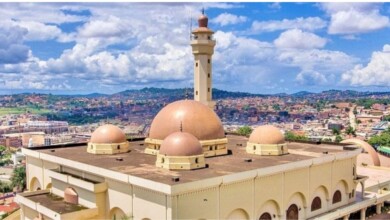
Members received a progress report on ongoing development projects, including the renovation of the Luwero Muslim District Headquarters Main Mosque and the construction of a Shs 150 million Wudhu (Ablution) section, which has reached the sheltering stage.
Several other community development initiatives are also progressing as planned.
Nsanja urged County Sheikhs to fill vacant leadership positions within their respective counties and intensify the mobilization of Muslims to support community programmes through the payment of Zakat and voluntary Sadaqah.
He also reminded leaders that serving the Muslim community is both a trust and an act of worship, encouraging them to remain committed despite the voluntary nature of their responsibilities.
Nsanja appealed to development partners, the business community, philanthropists and well-wishers to continue supporting programmes that improve the welfare of the Muslim community.