Shilling slide turns Umrah packages into a losing bet
By Ibn Zakariyya Kabuubi
A sharp weakening of the Uganda shilling against the US dollar is threatening to turn Uganda’s prolonged Ebola-related travel restrictions into a costly financial setback for Hajj and Umrah travel operators who had already booked flights and hotels months in advance.
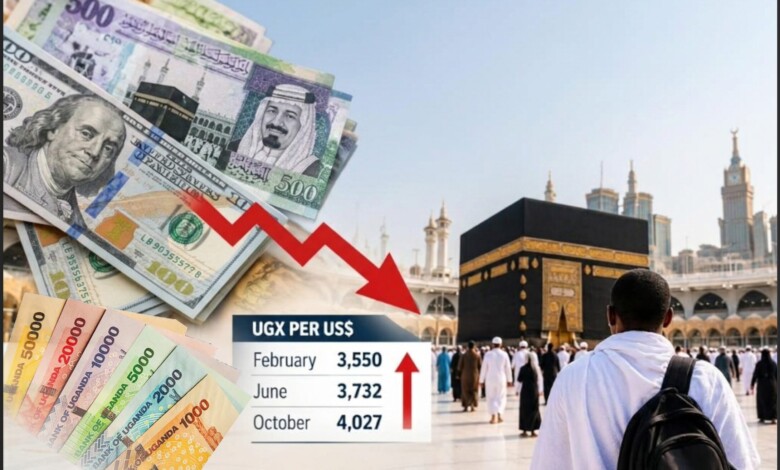
The dollar has risen from about Shs 3,550 in February to Shs 3,732 in June and more than Shs 4,000 in October, meaning operators who priced their Umrah packages when the shilling was stronger may no longer be able to purchase the same services at the prices they had budgeted for. The shilling hit a record low of Shs 4,027 to the dollar at commercial banks and forex bureaus at the beginning of the week, heightening anxiety among Muslims who have been waiting for Saudi Arabia to lift the entry restrictions.
The problem is particularly acute for operators who had charged pilgrims about Shs 4.5 million for packages based on flights, hotel rooms and other services secured before Saudi Arabia suspended entry from Uganda over Ebola concerns.
Had the pilgrims travelled as planned, the operators would have honoured the packages using the cheaper flights and accommodation they had already secured.
Instead, the Saudi restrictions disrupted travel plans between June and September, a period during which the shilling depreciated significantly. This means that if the restrictions are lifted, operators may have to rebook the same travellers at current prices, as the Shs 4.5 million they charged for a package may no longer buy the same services it did when the booking was made.
HARD MATHS
The mathematics is stark. At Shs 3,550 to the dollar, Shs 4.5 million was equivalent to about $1,268. At Shs 3,732, the same Shs 4.5 million was worth about $1,206, while at Shs 4,027 it is worth only about $1,117.
In other words, without increasing the package price, an operator who collected Shs 4.5 million from a pilgrim when the exchange rate was around Shs 3,550 would have roughly $151 less purchasing power today.
“They will have to top up because all bookings are made in dollars,” said Hajji Yusufu Musitafa of Makkah-Madinah Hajj Services. “For instance, our June Umrah package was priced at $1,065, equivalent to about Shs3.88 million at the time. At the current exchange rate, the same amount is now about Shs4.27 million,” he added.
June to November is generally considered an off-peak period for Umrah, allowing operators to secure comparatively favourable airfares and hotel rates. Several operators market packages for the period, targeting mainly low- and middle-income earners seeking to make the pilgrimage to the sacred cities of Makkah and Madinah.
“Even if we do not ask for additional payments, the cost of other services, such as food, will be higher than we had initially planned. If a plate of food cost the equivalent of Shs50,000 then, the same meal could now cost about Shs100,000,” Hajji Musitafa said.
The operators’ predicament has been compounded by Saudi Arabia’s delayed lifting of entry restrictions, despite Uganda being declared Ebola-free on July 28 following the completion of the required 42-day monitoring period.
With little or no revenue coming in, some operators now face the prospect of exiting the business.
“If you cannot raise money to pay salaries and rent, the only option you have is to close shop,” said one Hajj and Umrah services operator.