UMSC turns to skills as youth employment challenge grows
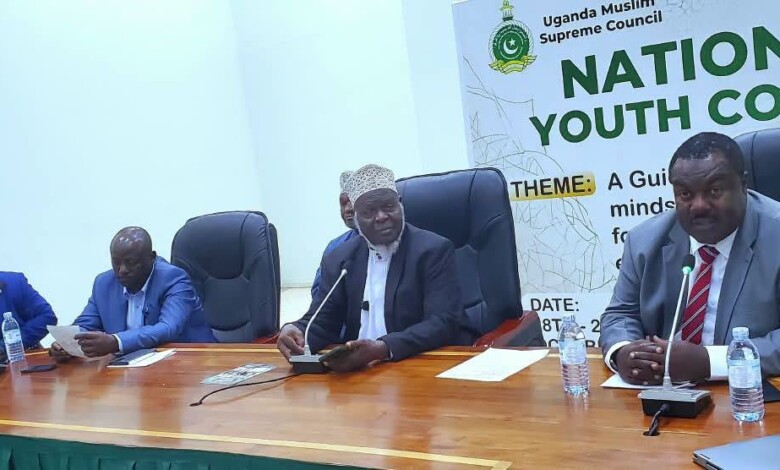
By Ahmed Idriss
Uganda’s youth employment challenge is giving fresh urgency to calls for practical skills, entrepreneurship and alternative pathways into work, with the Uganda Muslim Supreme Council (UMSC) preparing to launch a national programme targeting young Muslims.
The National Muslim Youth Skilling, Rehabilitation and Empowerment Centres Initiative will be launched during the National Muslim Youth Convention at Kololo Ceremonial Grounds in Kampala on October 28 and 29.
The 2024 Population and Housing Census found that 42.6 per cent of Ugandans aged 15–24 were not in employment, education or training. Among those aged 18–30, the proportion rose to 50.9 per cent; meaning about one in every two young adults in that age group was outside all three categories.
Many young Ugandans are working, but in low-productivity or insecure forms of employment, while employers continue to report gaps between the skills available and those demanded by the labour market. The World Bank has similarly identified skills mismatches as a constraint on Uganda’s ability to make better use of its growing workforce.
It is against this background that the UMSC is bringing skilling, rehabilitation and economic empowerment to the centre of its national Muslim youth agenda.
The two-day convention will run under the theme “A Guided Youth Leadership: A Foundation for Mindset Change and Skills Development for a De-radicalized, Socially and Economically Empowered Future Generation.”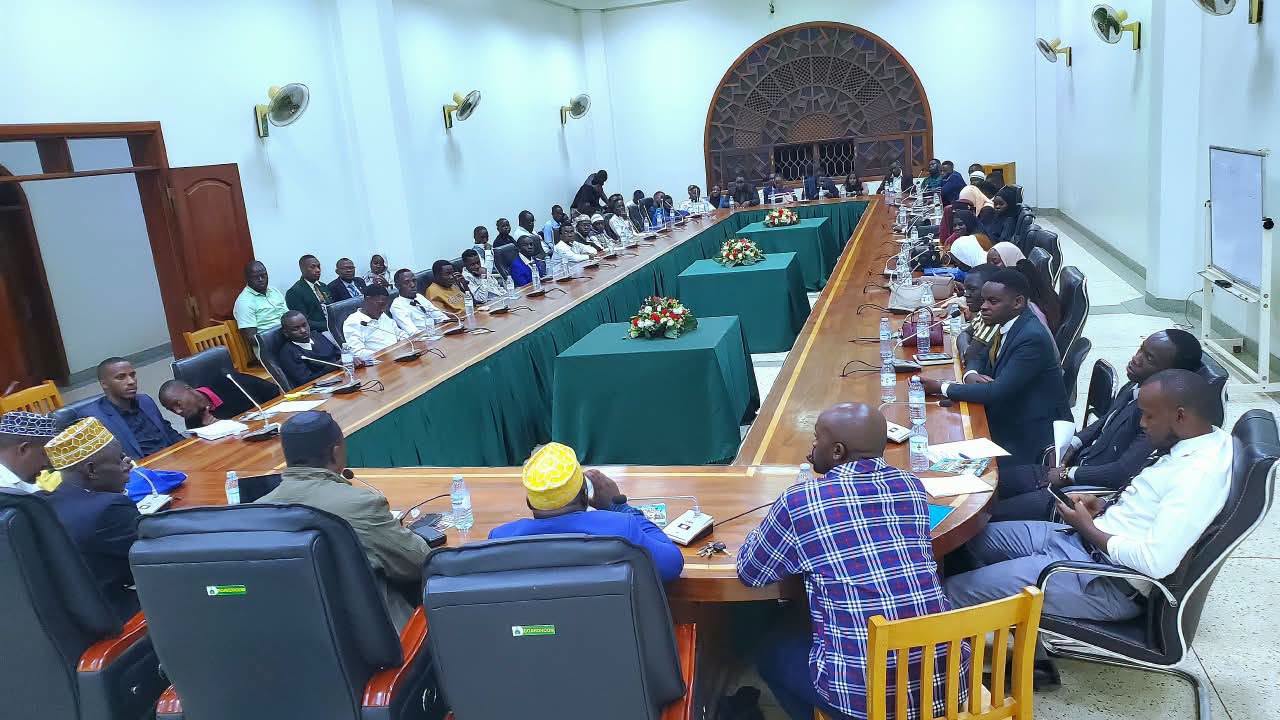
The first day will combine a Halal Expo with a Business Forum, giving Muslim entrepreneurs an opportunity to exhibit their products and services and establish business contacts. The main convention on October 29 will focus on leadership, skills development, entrepreneurship, social responsibility and economic empowerment.
The UMSC says the new centres are expected to provide young people with opportunities to acquire practical skills, develop businesses and strengthen their participation in their communities.
For the organisers, however, the programme is also about what happens to young people who find themselves without education, employment or a clear path into adulthood.
A 2024 Afrobarometer survey found that 23.3 per cent of respondents identified inadequate training or preparation as a barrier to youth employment, while 19.5 per cent cited lack of experience required by employers. Another 12.3 per cent pointed to a mismatch between educational qualifications and job requirements.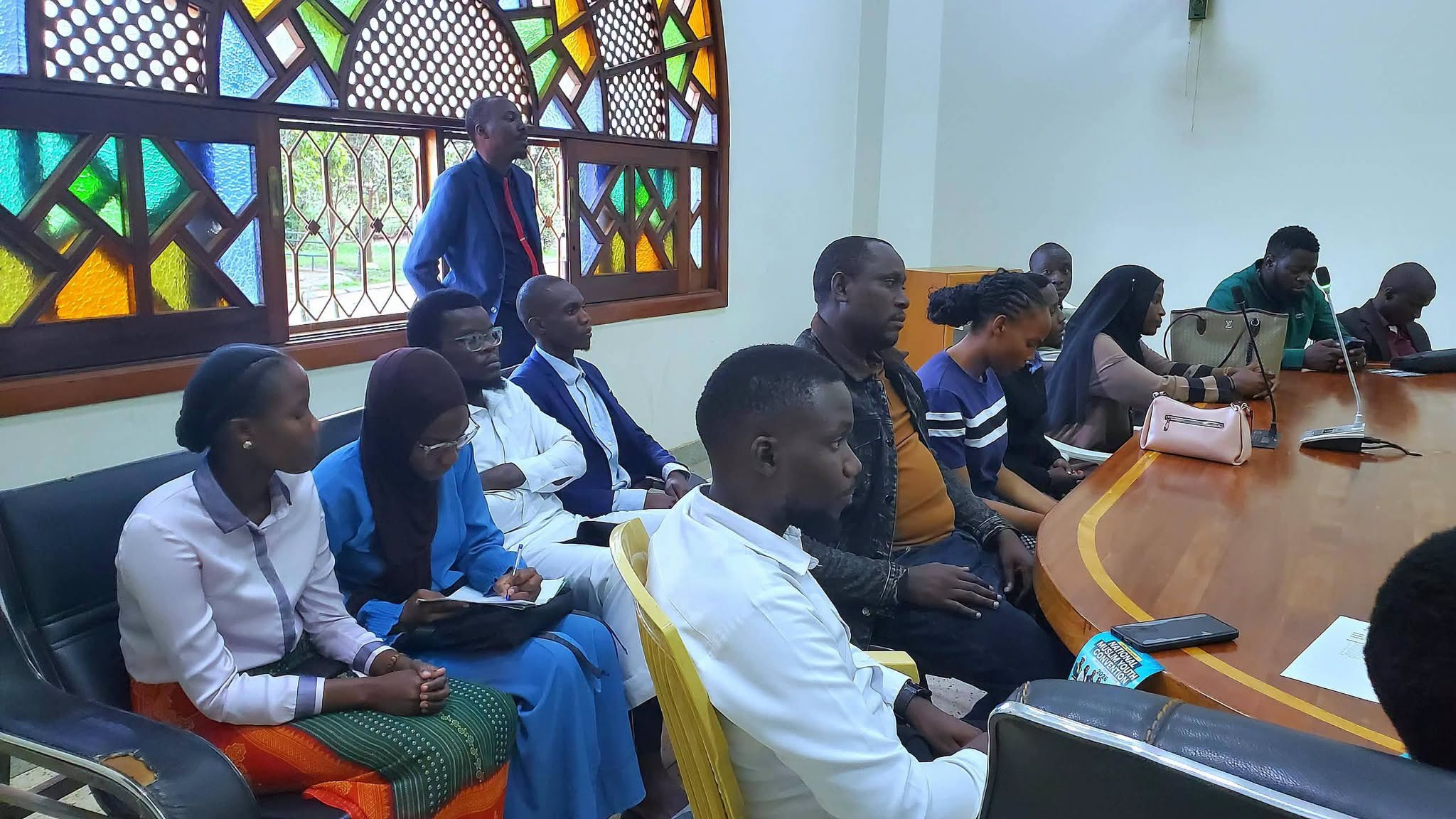
The UMSC’s emphasis on practical skills therefore comes at a time when the debate over youth employment is increasingly moving beyond simply creating more jobs to ensuring that young people have skills that can translate into livelihoods.
The convention will also address rehabilitation and what the UMSC describes as de-radicalisation. The wording reflects a concern within the Muslim leadership about young people who may become vulnerable to harmful ideologies or social pressures, although the circular provides few details about how the rehabilitation component will operate.
The initiative will be coordinated through the UMSC’s existing district and regional structures. In a September 22 circular, Sheikh Ssali Imran Abdunoor, the UMSC Secretary for Religious Affairs, directed District Kadhis to mobilise young people for the convention and work with Regional Assistants to the Mufti and Muslim youth leaders.
Each Muslim district has been asked to mobilise 100 young people.
District Youth Secretaries, Muslim Youth Council councillors and representatives will participate in the first day’s activities, while other delegates will join the main convention on the second day.
The scale of participation will give the UMSC an opportunity to test whether its proposed centres can move beyond conference discussions and become a practical mechanism for training and economic support at district level.