Africa must lead HIV cure research, scientists say
By Shahista Namale
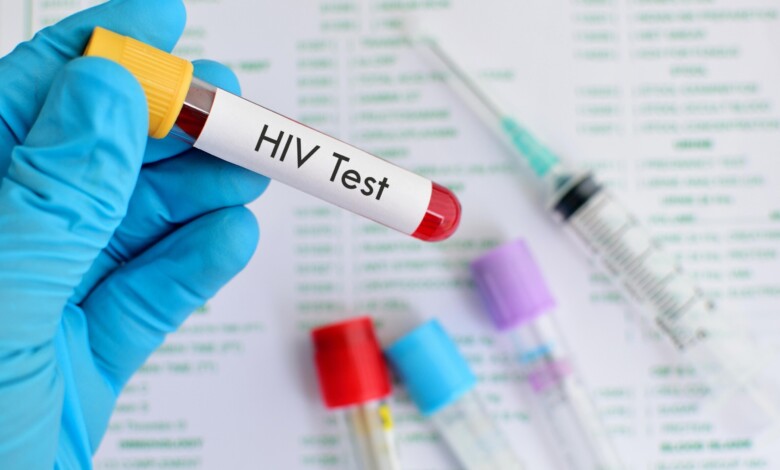
African researchers have called for greater investment and leadership in HIV cure research, warning that continued reliance on external scientific breakthroughs could delay Africa’s access to life-saving innovations.
The call was made during the 2026 HIV Research Community Symposium organised by HIV advocate Moses “Supercharger” Nsubuga in partnership with the Joint Clinical Research Centre (JCRC) and the Joint AIDS, TB and Malaria Association of Uganda (JABASA), with support from the Africa HIV Cure Consortium (AHCC).
Dr Albert Machinda, Co-Principal Investigator and Head of Secretariat at AHCC, said Africa’s heavy HIV burden places the continent in a strong position to lead efforts aimed at finding a cure.
“Africa accounts for about 65 percent of people living with HIV globally, and this should push us to take a leading role in HIV cure research,” he said.
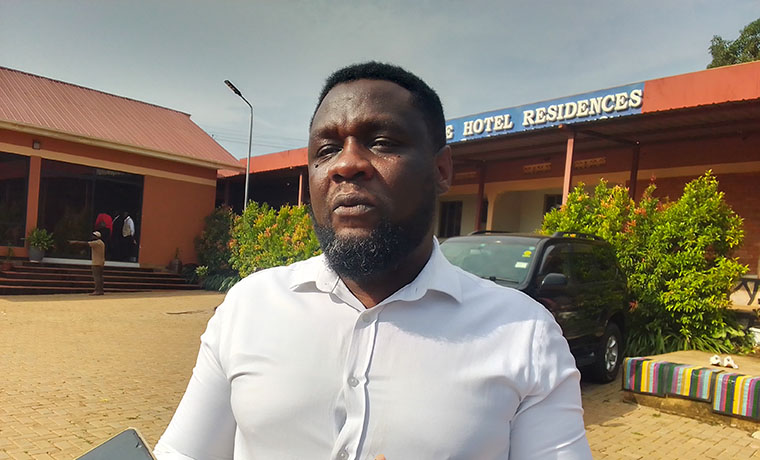
Dr Machinda said HIV cure research must become a priority for African governments through stronger policies, increased research capacity and integration into national health strategies.
He argued that while policy commitment is important, it must be matched with sustainable domestic financing to enable African scientists to conduct cutting-edge research and develop solutions relevant to the continent.
“Africa should not wait for discoveries made elsewhere. We must become equal partners in developing the future of HIV science,” he said.
He called for stronger collaboration between African researchers, pharmaceutical companies, biotechnology firms and international research institutions, while cautioning against a model where African scientists only participate as data collectors or supporting partners.
Dr Machinda said there are encouraging signs in global HIV cure research, with a small number of people achieving cure under exceptional medical circumstances. However, he noted that these cases involve complex procedures that cannot yet be applied to millions of people living with HIV.
He said researchers are continuing to study the virus, the immune system and new approaches that could eventually lead to scalable cure strategies, with more clinical trials expected in the coming years.
Beyond scientific research, Machinda emphasised the importance of involving communities in discussions about HIV cure development. He said informed communities can advocate for better policies, influence government priorities and demand greater investment in research.
Meanwhile, Dr George Ssenyange, a research scientist at JCRC, said access to antiretroviral therapy remains the most effective tool for controlling HIV while scientists continue searching for a cure.
He explained that people living with HIV who take their medication consistently and achieve viral suppression cannot transmit the virus, making treatment a powerful prevention strategy.
Although research into curative treatments is advancing, Ssenyange cautioned that a widely available cure may still take years to become a reality.
“Until then, ensuring that everyone living with HIV has access to treatment remains our strongest weapon against the epidemic,” he said.
Dr Ssenyange also raised concern over stigma, which he identified as a major barrier preventing some people from accessing HIV services.
He urged health authorities to protect patients’ privacy by creating confidential treatment spaces, warning that combining HIV medication services with general outpatient care could discourage some people from seeking treatment due to fear of being identified.
He said Uganda must continue investing in HIV services even as donor funding declines, noting that maintaining treatment access is essential to sustaining progress made in controlling the epidemic.
HIV advocate Moses “Supercharger” Nsubuga said that even if a cure is discovered, prevention efforts will remain necessary to protect communities and sustain gains made in the fight against HIV.
The symposium brought together researchers, health professionals, advocates and community representatives to discuss the future of HIV cure research, African leadership in scientific innovation, and the continued importance of prevention, treatment and community involvement.