Muslims urged to forgive, seek reconciliation
By Ahmed Idriss
Muslims have been urged to forgive those who wrong them, with a preacher at Gaddafi National Mosque reminding believers that pardoning others, especially when they have the power to retaliate, is among the qualities most valued in Islam.
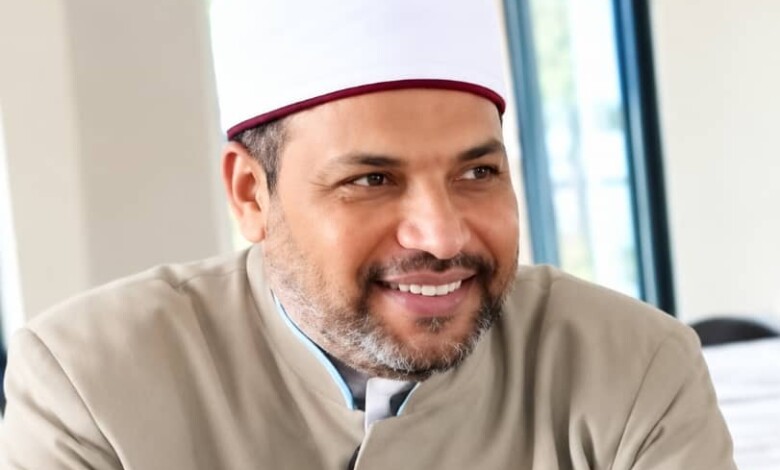
Dr Muhammad Ahmad of Al-Azhar Sharif University delivered the message during Friday prayers at the mosque in Kampala on October 30, 2026, in a sermon on the virtue of forgiveness.
Ahmad said forgiveness was one of the noble qualities of Prophet Muhammad, who did not take revenge over personal grievances but responded when the limits set by Allah were violated.
He said true forgiveness is tested when someone has the means to retaliate but chooses instead to pardon the person who wronged them for the sake of Allah.
The cleric cautioned against allowing insults, disagreements and personal grievances to turn into lasting hatred, urging Muslims to exercise patience and make room for reconciliation.
He cited the Prophet’s conduct during the conquest of Makkah in the eighth year after the Hijrah. After years of persecution by the people of Makkah, the Prophet pardoned many of those who had opposed him and his followers.
Ahmad said the decision showed that forgiveness was not a sign of weakness but an expression of strength, self-control and faith.
He also recalled the Prophet’s experience at Ta’if, where he was rejected and injured while preaching Islam. When the angel responsible for the mountains offered to destroy the people who had mistreated him, the Prophet declined, expressing hope that their descendants would worship Allah.
For Ahmad, the incident was a reminder that people should look beyond the hurt they have suffered and allow room for others to repent and change.
He urged Muslims to put the teaching into practice in their everyday relationships, including with relatives, neighbours, friends and colleagues.
Among the teachings he cited was the Prophet’s instruction to maintain ties with those who cut them off, give to those who withhold from them and forgive those who wrong them.
Ahmad also referred to Qur’an 24:22, which calls on believers to pardon and overlook the faults of others, asking whether they would not wish Allah to forgive them.
He illustrated the verse with the example of Abu Bakr al-Siddiq, who had stopped providing financial support to Mistah ibn Uthathah after the latter became involved in spreading false accusations against Aisha, the Prophet’s wife. Abu Bakr later resumed the assistance following the revelation encouraging forgiveness.
Ahmad said the incident showed that forgiveness should not remain an expression of goodwill but should be reflected in practical acts of kindness.
He cautioned believers against using forgiveness to belittle those they had pardoned, saying they should not repeatedly bring up past mistakes or make offenders feel indebted to them.
Forgiveness, he said, should be offered sincerely for Allah’s sake, not as a way of seeking praise or recognition from others.
The preacher further cited Qur’an 3:134, which describes the righteous as those who restrain their anger and pardon others.
He acknowledged that Islam allows people who have been wronged to seek justice, but said forgiveness and reconciliation remain encouraged where appropriate.
Ahmad said a willingness to forgive could help families and communities overcome grudges, repair damaged relationships and live together more peacefully.
He urged Muslims to follow the Prophet’s example by controlling their anger, showing patience and forgiving others, trusting in the reward Allah has promised those who pardon.