Muslims urged on self-reform rather than blaming others

By Ahmed Idriss
Muslims have been urged to prioritize self-reflection and personal reform instead of constantly trying to correct the faults of others, with a reminder that lasting peace in society begins with individual transformation.
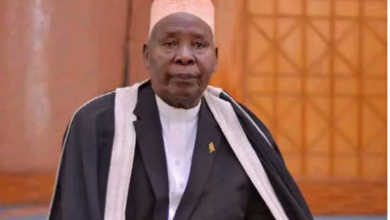
Delivering the Friday sermon at the Gaddafi National Mosque in Old Kampala on July 17, 2026, Sheikh Hussein Ali Bulafu said many of the world’s conflicts stem from people’s failure to confront their own weaknesses while focusing on the shortcomings of those around them.
“The world is problematic. Every one of us knows how chaotic this place is,” Sheikh Bulafu said.
“Every problem that this world is facing has something to do with a human being,” he added.
He explained that while every individual caries personal struggles, society becomes troubled when those unresolved internal problems are projected onto others.
“The problem you have internally is different from the one I have internally. If we join the two problems as a community, that’s how we end up filling this place with problems,” he said.
The cleric challenged worshippers to ask themselves a simple but profound question: Who are you? He said many people identify themselves by their names or professions but rarely take time to understand their character, emotions and spiritual condition.
“You have a brain, you have a body and you have a soul. That soul has a lot to do with your personality,” he said, adding that true self-awareness is essential for building a peaceful community.
Sheikh Bulafu observed that modern society has become trapped in a cycle where everyone seeks to change someone else.
“Every wife wants to fix the husband. Every husband wants to fix the wife. Every teacher wants to fix a student. Every student wants to fix a teacher,” he said. “How about we put a full stop to that cycle? Have you tried to fix your own inner problem?”
He said Islam teaches believers to first confront personal flaws such as uncontrolled anger, hatred, greed and harmful speech before pointing fingers at others.
“When you fix yourself, you have already contributed to making this place better,” he noted.
The preacher reminded the congregation that perfection is beyond human nature and that every person is born with weaknesses that require continuous effort to overcome.
“What defines us as human beings is the reality of imperfection. Everyone here is imperfect,” he said, adding that understanding oneself is a lifelong journey.
Drawing from Islamic teachings, Sheikh Bulafu said believers should train their souls to resist sinful desires and cultivate good character, describing this inner struggle as one of the greatest responsibilities of a Muslim.
He encouraged Muslims to regularly examine their behaviour, reflect on the Day of Judgment and consciously work to eliminate destructive habits before they harm others.
Citing a narration from Abu Hurairah, Sheikh Bulafu referred to companions of Prophet Muhammad who worried about evil thoughts that crossed their minds but struggled not to act upon them. He said the Prophet reassured them that resisting such thoughts was itself a sign of genuine faith.
“If you are a believer who has a lot of inner struggles and you are trying to fix yourself, trying to control your greed, your anger, your speech and your bad wishes, you are striving to attain the sweetness of faith,” he said.