Tablighs pledge loyalty to UMSC
By Ahmed Idriss
Faced with growing disenchantment within the Tabligh community, the leadership of the Nakasero Mosque-based Jamiyyat Al-Da’wah Al-Salafiyyah (JTDS) has moved to normalise relations with the Uganda Muslim Supreme Council (UMSC), formally pledging allegiance to the national Muslim body.
While the JTDS, locally known as the Tabligh leadership in Uganda, adopted a non-confrotational approach against the UMSC leadership following the 2017 Unity Jumu’ah prayers—an initiative intended to bring Uganda’s various Muslim factions under one umbrella—JTDS has continued to operate largely outside the Council’s structures.
That changed on Wednesday, July 29, when the Mufti, Sheikh Shaban Ramathan Mubaje, announced that the Tabligh leadership had formally pledged allegiance to the UMSC.
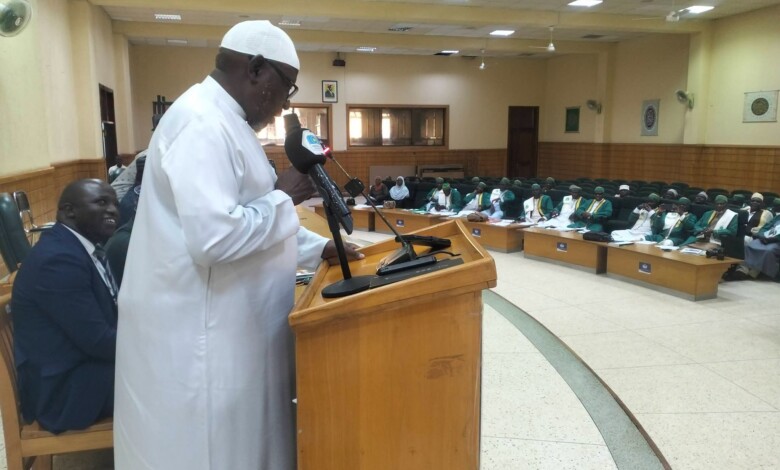
The announcement was made during the opening of a two-day interface meeting on leadership, governance and digital transformation organised by the UMSC at the Gaddafi National Mosque conference hall at Old Kampala.
The Amir Ummah, Sheikh Muhammad Yunus Kamoga was present in the meeting as the Mufti announced that the longstanding differences between the Tablighs and UMSC had been resolved.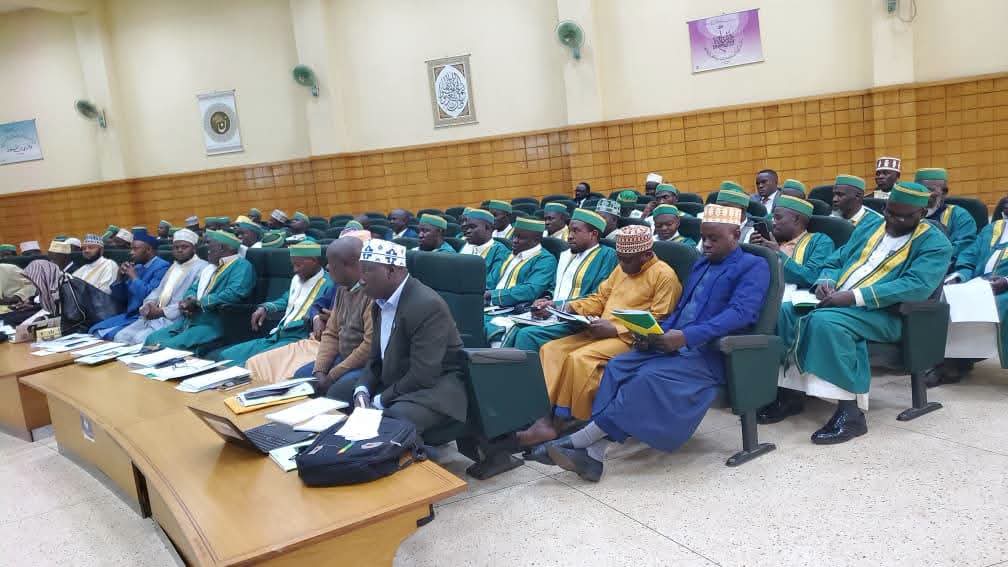
“Sheikh Kamoga and his group now subscribe to and are under the Uganda Muslim Supreme Council,” Sheikh Mubaje announced amidst chants of Allahu Akbar (Allah is the greatest).
The Mufti urged UMSC leaders across the country to work closely with members of the Tabligh movement in their respective areas to strengthen unity and advance the Council’s programmes.
He also asked Sheikh Kamoga to submit a register of Salafi mosques and their Imams so that they could be incorporated into UMSC development initiatives.
Sheikh Mubaje said the reconciliation was a reflection of the progress the UMSC had made during his 26 years as Mufti.
He thanked Allah for enabling him to witness the realisation of much of his vision of fostering unity in diversity and promoting development within Uganda’s Muslim community.
The Mufti said that despite numerous challenges over the years, the UMSC had regained stability and was now operating under its amended Constitution with stronger governance structures, improved professionalism, better management systems and enhanced collaboration with the Government and development partners.
He challenged district and regional Muslim leaders to ensure that UMSC programmes are effectively implemented so that communities can fully benefit from the Council’s initiatives.
In his remarks, Sheikh Kamoga thanked the Mufti for welcoming the Salafis back into the UMSC fold, describing the move as the beginning of a new era of reconciliation after years of disagreement.
He said unity among Muslims must remain a collective priority and pledged the movement’s loyalty and commitment to the leadership of the UMSC.
The UMSC secretary-general, Haji Abbas Muluubya Ssekyanzi called on Muslim leaders to candidly share both their achievements and the challenges they face in order to strengthen the institution.
“We are here to listen to you. We want to hear your achievements, receive your recommendations and together find practical solutions that will strengthen UMSC,” he said.
Muluubya said the interface meeting would inform improvements in the Council’s policies and programmes, with the aim of building a more united, accountable, financially sustainable and professionally managed institution while strengthening its relationship with Muslims, Government and development partners.