UMSC renews bid to manage Hajj
By Hajji Ntale Younus
A long-running dispute over who should manage Uganda’s Hajj affairs has resurfaced, raising fresh questions over preparations for the 2027 pilgrimage and reviving a controversy that disrupted travel arrangements for hundreds of Ugandan pilgrims earlier this year.
The debate returned to the spotlight after the Deputy Mufti of Uganda, Sheikh Muhammad Ali Waiswa, urged the government to implement a proposal to transfer the management of Hajj affairs from the Uganda Bureau of Hajj Affairs (UBHA) to the Uganda Muslim Supreme Council (UMSC).
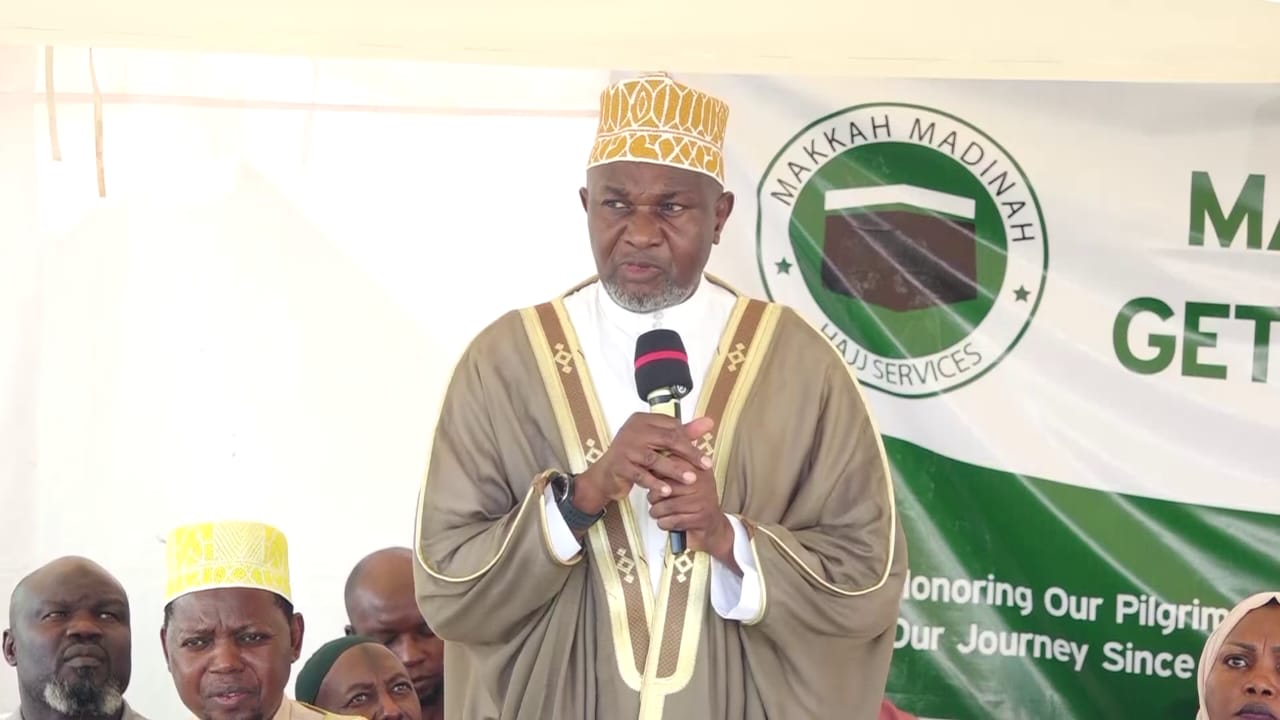
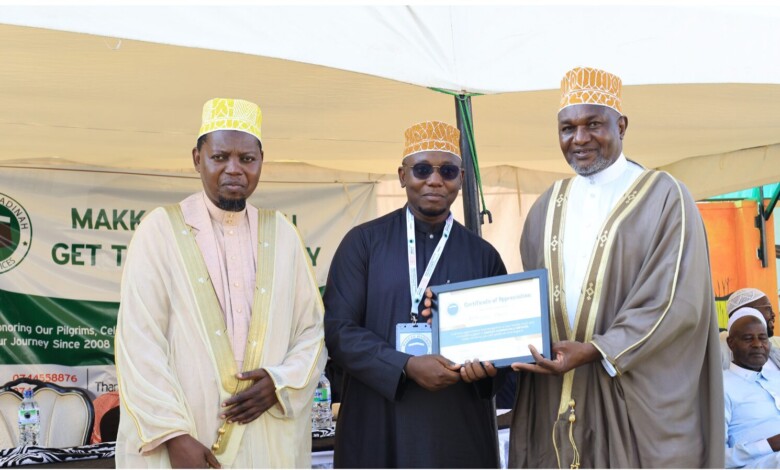
Speaking during a thanksgiving gathering organised by Makkah Madinah Hajj and Umrah Services in Kira, Wakiso District, Sheikh Waiswa wondered why the Government had not acted on the proposal despite previous engagements.
He alleged that the current Hajj management system had failed to adequately protect the interests of Ugandan pilgrims, claiming there were instances where non-Ugandans were allocated visas while some Ugandans who had paid for the pilgrimage were left behind.
He also repeated earlier allegations that non-Muslims had travelled to Makkah under the current arrangement, claims that UBHA has consistently denied.
His remarks were echoed by the Second Deputy Mufti, Sheikh Muhammad Hafidh Bukenya, who accused some Hajj associations of failing to comply with the government’s directive to coordinate Hajj-related activities through UMSC.
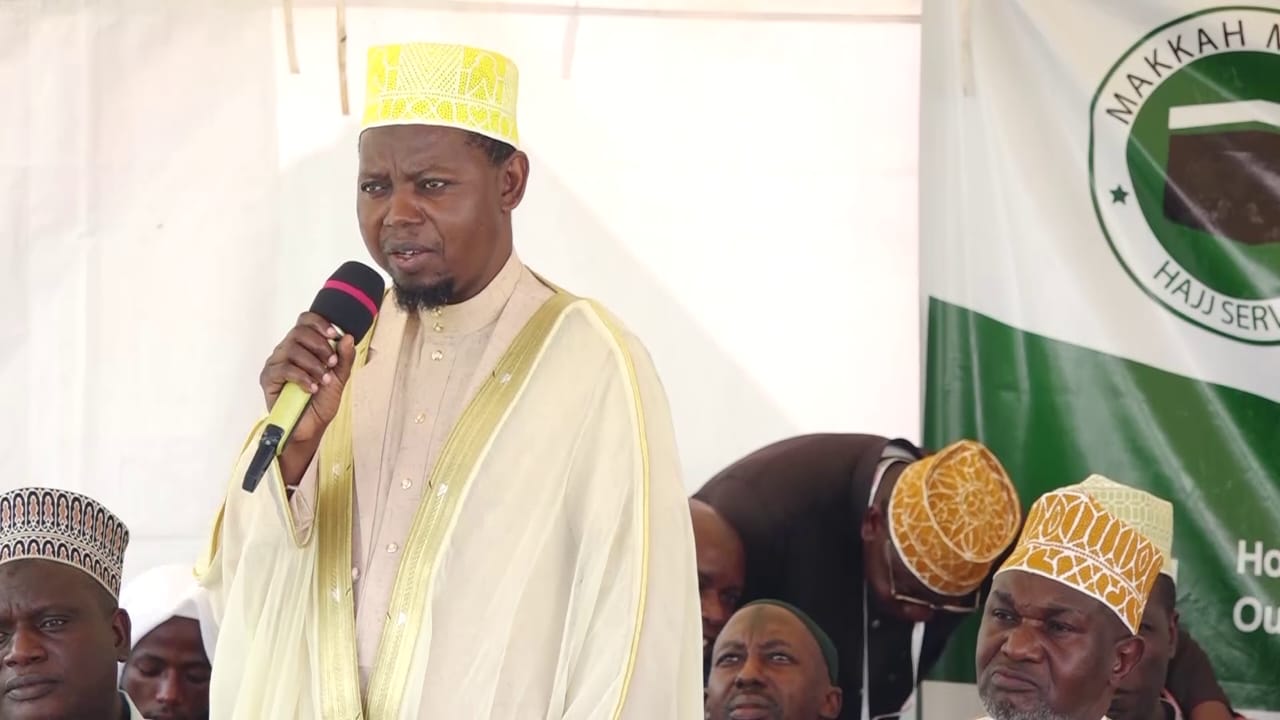
Sheikh Bukenya said pilgrims who failed to travel this year should not blame individual tour operators alone, arguing that broader administrative challenges within the existing Hajj management system had contributed to the difficulties.
He maintained that transferring the management of Hajj affairs to UMSC would improve accountability and service delivery.
The issue is particularly significant because Uganda experienced unprecedented confusion during preparations for Hajj 2026.
In January this year, Mufti Sheikh Shaban Ramadhan Mubaje announced that UMSC would take over the coordination of Hajj after securing support from the Ministry of Foreign Affairs. However, the proposed changes were not recognised by the Saudi authorities in time for the pilgrimage season, where Hajj administration is governed through strict country-specific arrangements approved by the Kingdom of Saudi Arabia.
The resulting uncertainty affected hundreds of Ugandan pilgrims, particularly those registered under UMSC-accredited operators. Many waited until the final days before departure to receive their visas, while others were unable to travel despite having completed payments.
With UMSC now renewing its call for a takeover ahead of Hajj 2027, stakeholders say any decision will need to be resolved well in advance to avoid a repeat of the challenges experienced this year.
Representing Third Deputy Prime Minister Rukia Nakadama, Presidential Advisor on Awards Hajjat Zamina Malole said she would follow up the matter with government to establish why the proposed reforms had not yet been implemented.
Hajji Sadat Ssewanyana, the Managing Director, Makkah Madinah, thanked pilgrims for their continued confidence in the company since its establishment in 2008. He also revealed that the company had introduced a voluntary charity initiative through which every pilgrim contributes between three and five US dollars towards supporting an orphanage as Sadaqah Jariyah.
However, UBHA Chairperson Sheikh Zakaliya Kyewalyanga dismissed the allegations against the bureau, describing them as unsubstantiated.
He challenged anyone claiming that UBHA allocated Hajj visas to non-Ugandans to produce evidence, saying the bureau had previously offered a reward of US$1,000 for proof of such claims without receiving any credible evidence.
Kyewalyanga also rejected allegations that non-Muslims travelled to Makkah through Uganda’s Hajj arrangements, saying a widely publicised case involved an individual who travelled on a visit visa obtained outside Uganda and had no connection with UBHA’s official Hajj programme.
UBHA OPENS PERMANENT HEADQUARTERS
Relatedly, UBHA has officially unveiled its first permanent headquarters in Kawempe-Mbogo, a milestone members described as a major step towards strengthening the organisation’s operations.
The property, which sits on 24 decimals of land, was purchased using savings contributed by member Hajj operators over several years.
UBHA Chairperson Sheikh Zakaliya Kyewalyanga said acquiring a permanent home demonstrates the bureau’s institutional growth and commitment to improving services for Ugandan pilgrims.
He urged member organisations to strictly comply with the Hajj roadmap issued by the Saudi Ministry of Hajj and Umrah, warning that deadlines and procedures would no longer be adjusted once set by the Kingdom.
During the meeting, members also proposed that UBHA’s mandate be expanded to coordinate Umrah services in response to growing complaints against some tour operators accused of collecting payments without fully delivering promised services.
UBHA Secretary General Sheikh Hussein Bogere said the bureau regularly receives complaints from Umrah travellers but lacks the legal mandate to intervene effectively. He cited cases in which Saudi authorities sought UBHA’s guidance after incidents involving Ugandan pilgrims, including the death of a traveller during Umrah.
Some members argued that a coordinated framework would improve accountability and protect pilgrims. Others, however, noted that implementing such a system could prove difficult because Saudi Arabia has liberalised the issuance of Umrah visas, allowing licensed private companies to process applications directly.