Stop lamenting, work for government positions, Muslims told
By Jafar Mugera
As President Yoweri Museveni’s Cabinet for the seventh elective presidential term takes shape, voices of discontent continue to emerge within the Muslim community over what some leaders perceive as inadequate representation.
Of the 80 Cabinet members—including the Vice President and Prime Minister, who formally assumed office this week after taking their oaths on June 8 at State House Entebbe—only nine are Muslims.
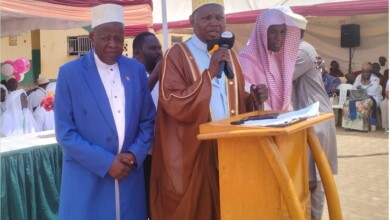
During Eid al-Adhuha prayers at Old Kampala Mosque on May 27, the Mufti, Sheikh Shaban Ramathan Mubaje, said the numbers did not reflect the level of support Muslims had given to the ruling National Resistance Movement (NRM) during the previous elections. He called for broader inclusion of Muslims in government appointments.
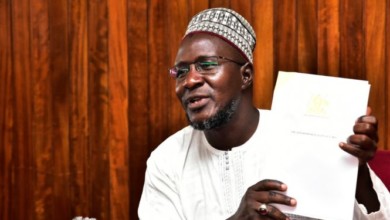
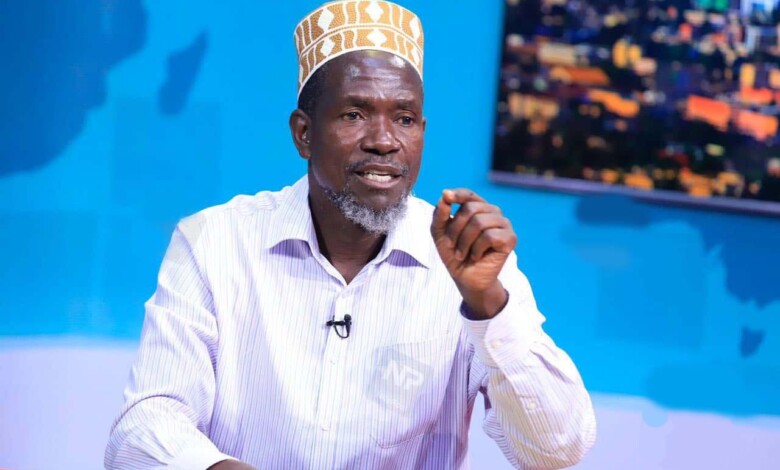
However, outspoken Muslim cleric Imam Iddi Kasozi says the perceived underrepresentation should serve as a wake-up call for Muslims to actively compete for leadership positions rather than continually complaining about exclusion.
“I am grateful to President Museveni for giving us a lesson that should remind Muslims to wake up and work for positions instead of waiting for them to be handed to us,” Imam Kasozi told worshippers during Friday prayers at Mawanga Mosque in Kampala’s Makindye Division.
“Leadership and power are sought and worked for; they are not handed to anyone. Many Muslims think power will simply be given to them. Some do not even support their own people,” he said.
Hajjat Rukia Isanga Nakadama, the 3rd Deputy Prime Minister and Minister without Portfolio, is the highest-ranking Muslim in the new cabinet, followed by Kampala minister Hajjat Minsa Kabanda. The remaining seven Muslim appointees are ministers of state.
“Should we have hope in them? The answer is yes, if they are strong enough. The challenge is that they occupy positions but do not necessarily wield significant power. They can hardly make decisions independent of their superiors, but we, as Muslims, can give them the courage and support they need,” Kasozi said.
Among the Muslim ministers of state are Siraj Musa Ali (Works), and Justine Nameere, (Local Government), children of prominent political figures—former 1st Deputy Prime Minister Gen. Moses Ali and former Defence minister Vincent Bamulangaki Ssempijja, respectively.
Kasozi argued that their appointments signal a broader political transition that Ugandans should prepare for.
“This is intended to prepare the country for the next phase. When that time comes, no one should make noise. We should accept it and move on,” he said.
Women dominate Muslim representation in the new cabinet, with only two of the nine Muslim ministers being men.