UMSC orders District Kadhis to nominate deputies
By Issa Kigongo
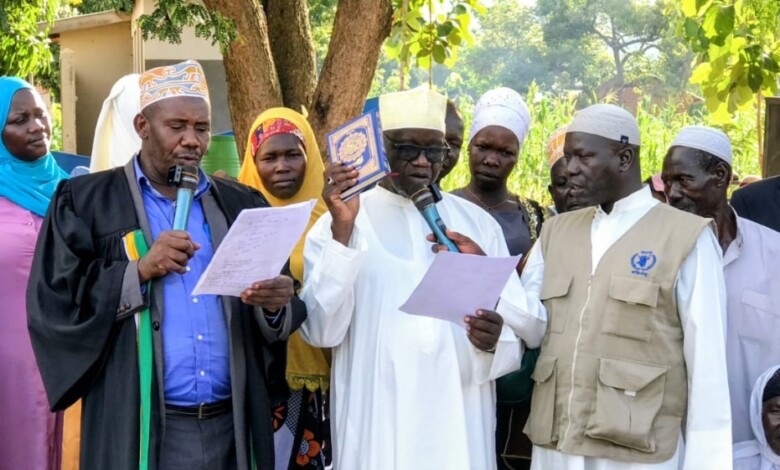
The Uganda Muslim Supreme Council (UMSC) has directed all 87 District Kadhis across the country to urgently nominate Deputy Kadhis in districts where the positions remain vacant, as part of a nationwide effort to strengthen Muslim leadership structures.
The directive is contained in Circular dated June 4, 2026 issued by the UMSC Department of Religious Affairs and signed by the Secretary for Religious Affairs, Sheikh Ssali Imran Abdu Noor.
According to the council, the appointment of Deputy Kadhis is a constitutional requirement under Article 19(2)(b) of the UMSC Constitution, but several districts are still operating without formally appointed deputies despite earlier communications on the matter.
“District Kadhis who do not have formally appointed Deputy Kadhis are directed to immediately nominate and recommend suitable candidates for the position,” the circular states.
UMSC has 87 Muslim districts, meaning the directive was addressed to all 87 District Kadhis nationwide. The council, however, did not specify how many of the districts currently lack substantive Deputy Kadhis.
Deputy Kadhis serve as second-in-command to District Kadhis and are responsible for supporting the administration of Islamic affairs, community mobilisation, religious guidance, and continuity of leadership at district level.
This strict enforcement of the leadership hierarchy follows major structural expansions across the country. The UMSC has drastically transformed its administration, aggressively carving out new jurisdictions to improve localized service delivery. For instance, just last month, the Mufti of Uganda appointed a wave of new District Kadhis to head newly established units, including Terego, Madi Okollo, Obongi, Bidi Bidi, and Zombo districts.
Under the new directive, District Kadhis must identify candidates with academic and religious qualifications equivalent to those required for appointment as a District Kadhi. The nominees’ names, together with their academic credentials, including Thanawi certificates and other recognised Islamic qualifications, must be submitted to the Secretary for Religious Affairs for consideration.
The final appointments will be made by the Mufti of Uganda upon the advice of Majlis Ulaama, the council’s highest religious advisory body.
UMSC says the exercise is intended to ensure that all Muslim districts have fully functional leadership structures capable of effectively serving the Muslim community.
All nominations and supporting documents must be submitted by June 30, 2026.
The circular was copied to the Mufti of Uganda and the UMSC Secretary General, underscoring the importance the council attaches to the exercise.
The move is part of broader efforts by UMSC to streamline governance and improve institutional capacity within its district structures across the country.
PART OF A BROADER RESTRUCTURING DRIVE
This directive is a key piece of a wider institutional campaign led by the UMSC Joint Session—the top decision-making organ combining the Executive Committee and the Council of Eminent Sheikhs.
Over the first half of 2026, the Joint Session has moved swiftly to fill long-vacant national committee seats, enforce fiscal accountability, such as strict regional reporting on Zakat collections, and manage the strategic transfer of principal Kadhis across different Muslim regions.